UA

Russia isn't fighting with missiles alone. This autumn, its main weapon is panic, distrust of the government, and a sense that the country won't make it through the winter. Meanwhile, Ukraine is deepening the crisis itself: its own unmet commitments to partners created the budget gap.
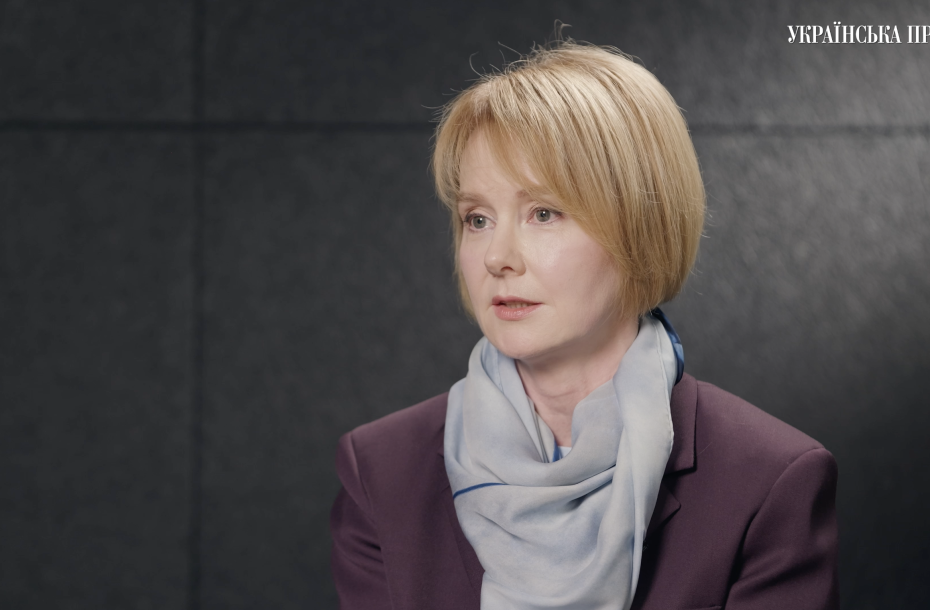
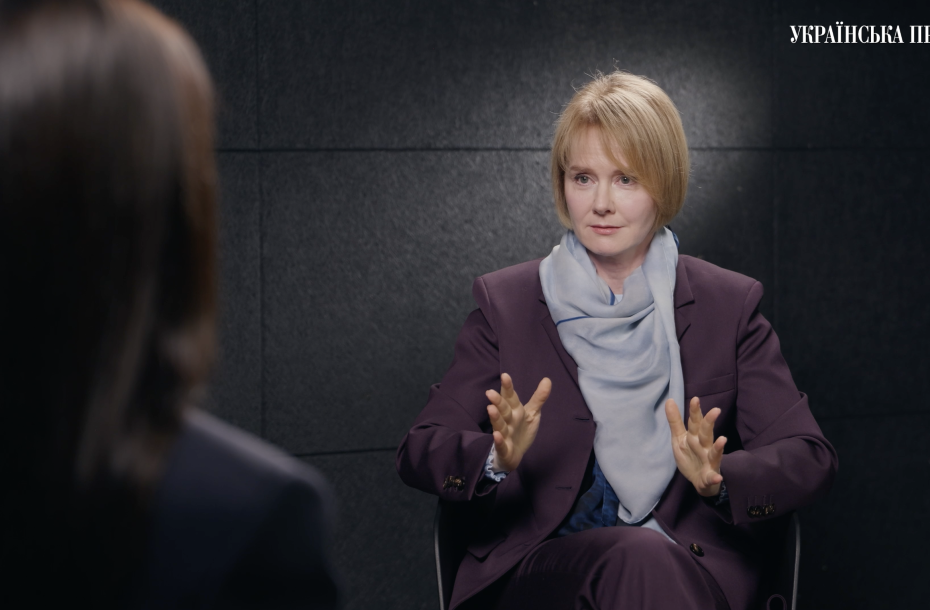
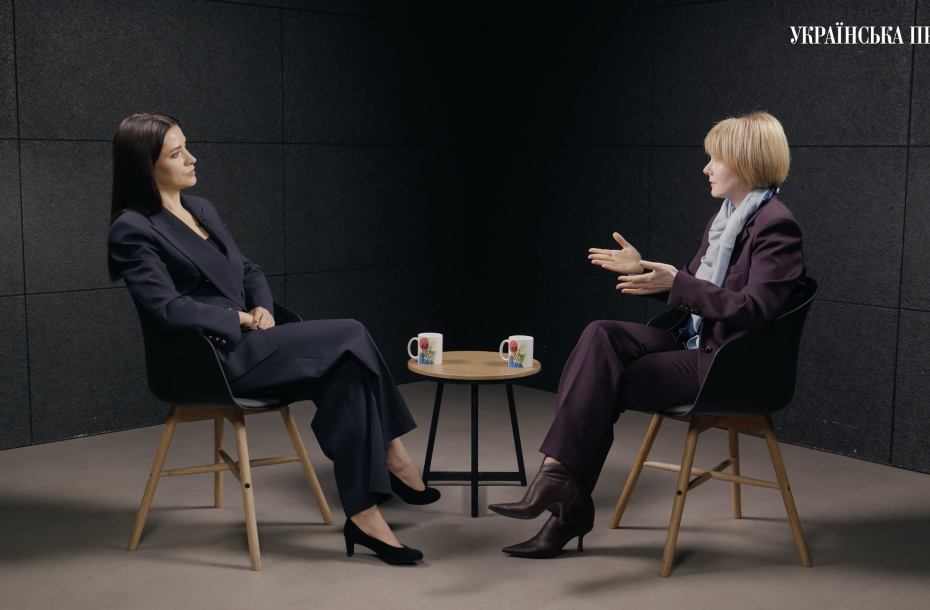
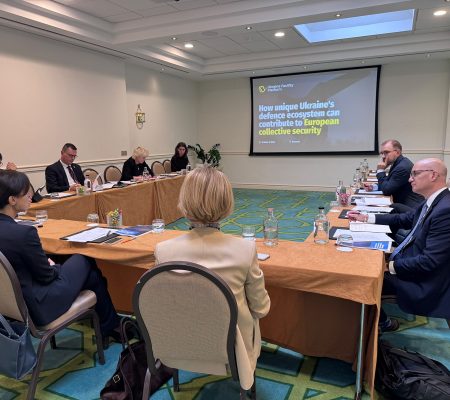
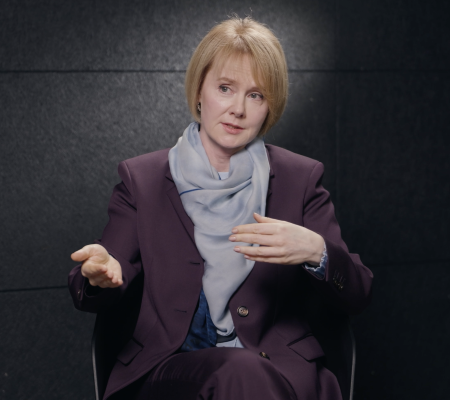
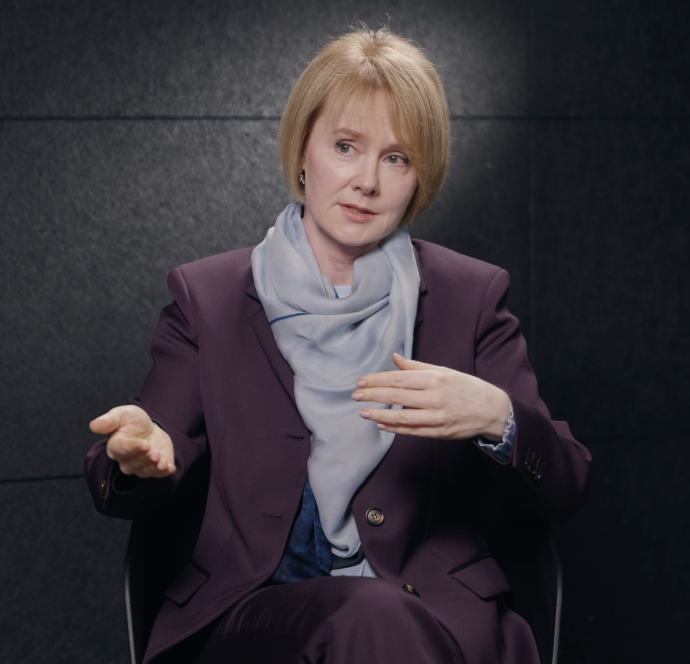
Lana Zerkal, a member of the Ukraine Facility Platform Coordination Council, made these points in an interview with Tetiana Danylenko on Ukrainska Pravda's YouTube channel.

Ukraine's weak spots: distrust of the government, a budget gap, and a dysfunctional parliament
Since Soviet times, Russia has skillfully used propaganda and "active measures" alongside weapons on the battlefield. Its main goal is to split society and sow such deep distrust of the government that people dismiss anything officials say as a lie.
Ukraine has hardly done everything it could to protect itself from Russia's psychological operations. On one hand, the government says the country is fully ready for winter. On the other, calls for a ceasefire keep growing, supposedly because the country won't survive the winter otherwise. This mixed message unsettles people. They don't know what to rely on or what decisions to make before the cold sets in. Russia exploits exactly these gaps, where certainty and trust in the state are missing.
That's not Ukraine's only weak spot. The state budget gap is another sensitive issue. European partners have allocated funds for Ukraine, but Ukraine has to meet certain conditions to receive them, such as relaunching the State Bureau of Investigation. Parliament, however, isn't passing the necessary laws. The anti-corruption strategy, for instance, has sat in the Verkhovna Rada for six months. Specific funding amounts depend on it, yet lawmakers show no will to adopt it.
All Ukraine does as a state is ask for more money. But Europeans work in financial cycles, and even if they wanted to, they couldn't turn a funding decision around in less than a few months. What they don't understand is the resistance to reform. So Ukraine will most likely still have to meet its commitments, just at the last minute and in crisis mode.

The Verkhovna Rada went on recess instead of passing the laws the country needs, even though it's almost the only institution capable of driving change.
For now, trust in parliament keeps falling in Ukraine, a trend common across democracies. MPs, whose job is to represent people's interests, lose touch with voters' needs and act only in their own favour.
Moscow will look for a chance to break through
You can't view Russia's plans in isolation from what's happening in the world. Fuel prices keep rising. Back in spring, the IMF projected that a prolonged war against Iran could push oil prices up by 100% and gas prices by 200%. This hits both Europe and the US, where people notice rising prices at the pump. That's why the upcoming US congressional elections are unlikely to go well for Donald Trump's administration. If the Democrats win a majority, the president will become a lame duck as early as this November.
Europe has no time for Ukraine either. France faces elections, and the AfD keeps gaining ground in Germany. International organizations keep getting weaker, as China has learned to sway their votes through investment.
Russia sees this balance of power too, and it sees a chance to exploit the situation and do something unexpected.
In Europe, Russia's goal isn't to seize territory. It wants to frighten Europeans so badly that they start taking Moscow into account and become ready to give ground. Then Russia will offer talks and put forward its most ambitious list of demands, with Ukraine as just one line item. Ultimately, Moscow wants Russians to feel they've come out on top against NATO.
Of course, this is only one scenario, but it deserves serious attention. Baltic officials publicly say they don't believe Putin will attack, since their countries are NATO members. Meanwhile, military war games show how unprepared Europeans are for the Russian threat.