UA
UA 
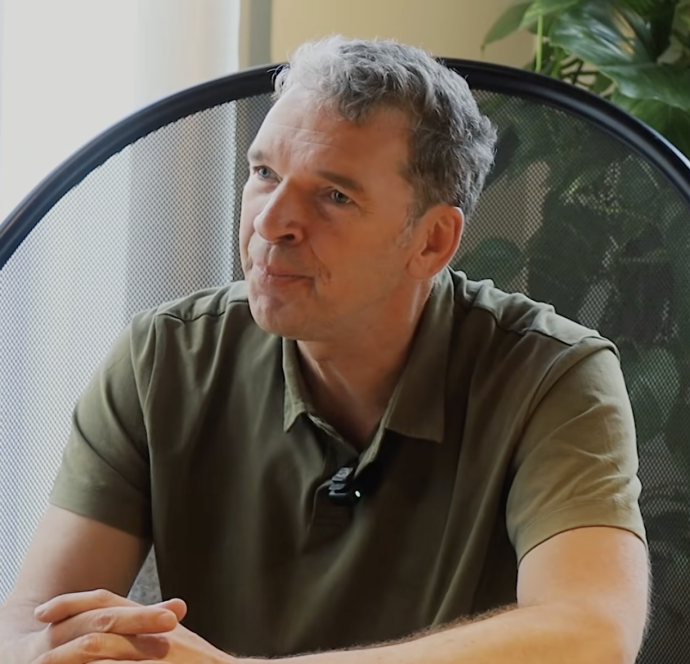
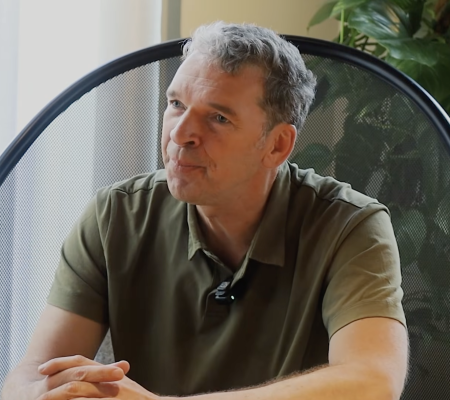
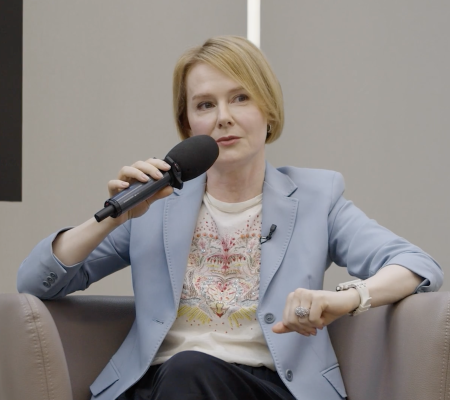
As early as the coming years, in the first phase of reconstruction, Ukraine can build close to 10 GW of new generation – and then double or triple that figure. This is a market worth tens of billions of euros. That assessment comes from André Faaij, Director of Science & Technology of and Principal Scientist at TNO Energy & Materials Transition; Professor at Utrecht and Groningen University, who has studied Ukraine's energy for over 20 years, speaking in a Ukraine Facility Platform podcast on the sidelines of the Ukraine Recovery Conference in Gdańsk. The conversation was hosted by Maria Tsaturyan, Chief Communications Officer of the Ukraine Facility Platform.
Europe's energy poverty
Is Europe energy-resilient? The answer is clearly no. The EU imports over 90% of oil and gas. This is an economic and security risk that undermines the competitiveness of European industry and creates the danger of supply shortages.
Europe can do a great deal to reduce this excessive dependence on energy imports. The priority is to develop renewable energy – above all the big three of bioenergy, solar and wind, complemented by geothermal. Europe's countries have enough potential to meet their own energy needs.
The outlook for Ukraine's energy sector
Ukraine has a rare combination of resources for the green transition: land, a favourable climate, bioenergy potential, and nuclear and hydro power that complement one another. In the medium term, this gives Ukraine the chance to become an exporter of green electricity to the EU. Yet for now Europe does not include Ukraine in its long-term plans for developing the EU power grid. That needs to change quickly, says Faaij.
Ukraine can build wind farms, solar plants with storage and biogas installations at speed. This means around 10 GW of generating capacity, with the potential to double or triple it – a market worth tens of billions of euros.
A number of obstacles hold investors back, and war is not the only barrier: international financial institutions already offer instruments to cover war risks. The real difficulty is that local renewable projects usually require many stakeholders, along with capacity at the community and municipal level.

Four steps to a resilient community
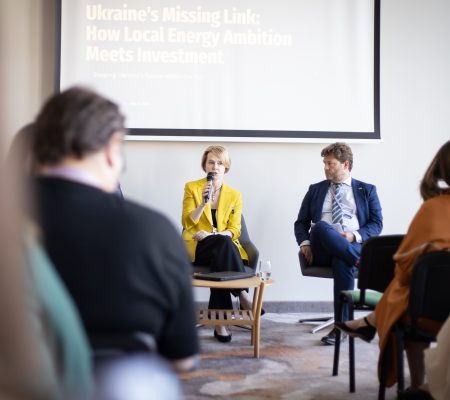
The Ukraine Facility Platform and TNO have prepared an analytical paper, "How Local Energy Ambition Meets Investment" – a four-step methodology for developing local energy projects built on hybrid renewable technologies.
A combination of solar, wind and bioenergy delivers a stable supply throughout the year and lets a region operate autonomously even if the main grid fails or comes under attack. For cold winters, heat is key: biogas produces electricity and heat together and can be adjusted to demand, while heat pumps help keep buildings warm in the cold season.
Who should own such projects is an open question, and the answer can vary. They could be private companies delivering a turnkey project, municipal utilities, or cooperative models on the Danish or Swedish pattern, where both the community and local businesses become shareholders. The last option, in Andre Faaij's experience, has the strongest effect– people see the energy as "their own", and the revenue stays in the region.