UA
UA 

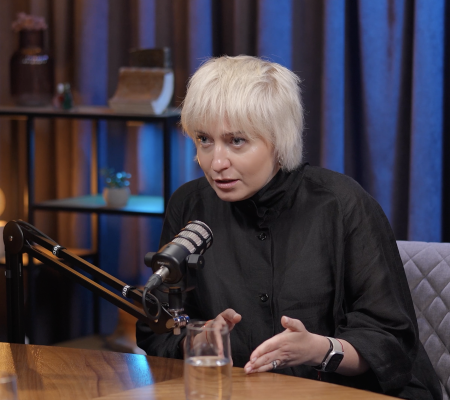
Ukraine Facility Platform has developed solutions that will help accelerate community energy projects by next winter and efficiently integrate new decentralized capacity into the power system. On February 26, UAFP Sectoral leader for Energy & Climate Oleksandr Vizir presented our approach, its implementation options, the key challenges, and ways to address them to entrepreneurs, government officials, lawyers, and banking sector representatives working on delivering energy projects and shaping the regulatory framework.
What does UAFP propose?
The «active consumer» model is an underestimated opportunity to build new generation capacity quickly and at a relatively low cost. In Ukraine, there is a legal option to develop up to 5 MW of generation using an existing grid connection whose capacity is not fully utilized. The key conditions are that the connected customer must obtain «active consumer» status, and the generation owner must sell half of the produced output to that customer.

What are the advantages of UAFP’s approach?
- Private investors do not need to spend time on the grid connection procedure or obtaining an electricity supply license. There is also no need to wait for land allocation – projects can be implemented on municipal utility sites.
- Businesses have a guaranteed consumer for electricity from new power plants – municipal utilities. Communities will receive reliable power supply for critical infrastructure.
- Investors do not need to pay Ukrenergo or DSOs (regional distribution companies) network-use tariffs, which improves project economics. They also don’t need to hire staff to sell electricity on the market – this is the responsibility of the electricity supplier.
What are the barriers to implementation?
Participants of the discussion organized by Ukraine Facility Platform raised the following concerns:
- community representatives are not familiar with how to apply the «active consumer» mechanism,
- local authorities fear responsibility for non-standard decisions,
- entrepreneurs worry that cooperation terms may change when local leadership changes,
- municipal utilities are loss-making and their tariffs are underfunded, creating a risk of delayed payments for electricity.
What solutions were discussed?
- raising awareness among communities, as well as the regulator (NEURC) and government officials,
- developing government recommendations on applying the «active consumer» model to confirm the legality of this approach,
- additional legal safeguards for entrepreneurs who build generation for communities under the «active consumer» model,
- legal protection for municipal utilities’ electricity expenditure lines or a bank guarantee.
With support for implementing this approach, Ukrainian communities can strengthen their energy resilience by next winter – and businesses can deliver profitable projects. Ukraine Facility Platform is preparing a detailed analytical document on the practical application of the «active consumer» model and will incorporate the concerns and proposals of energy market experts and businesses who joined the discussion.