UA
UA 

While analysts warn of an outright Russian attack on EU countries, the Kremlin is already at work, using salami tactics: undermining countries from within, launching hybrid attacks and playing on voters' emotions. This is difficult to counter, because a democracy must protect the very rights and freedoms such tactics exploit.
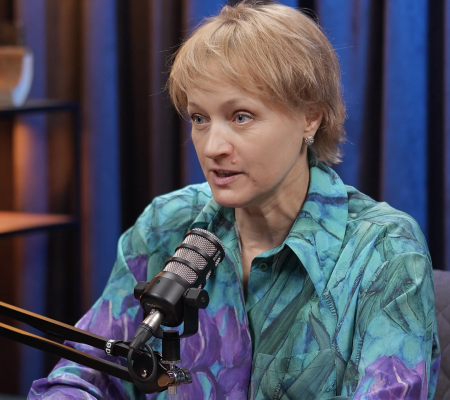
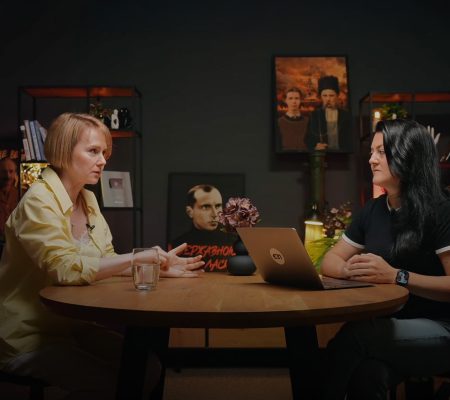
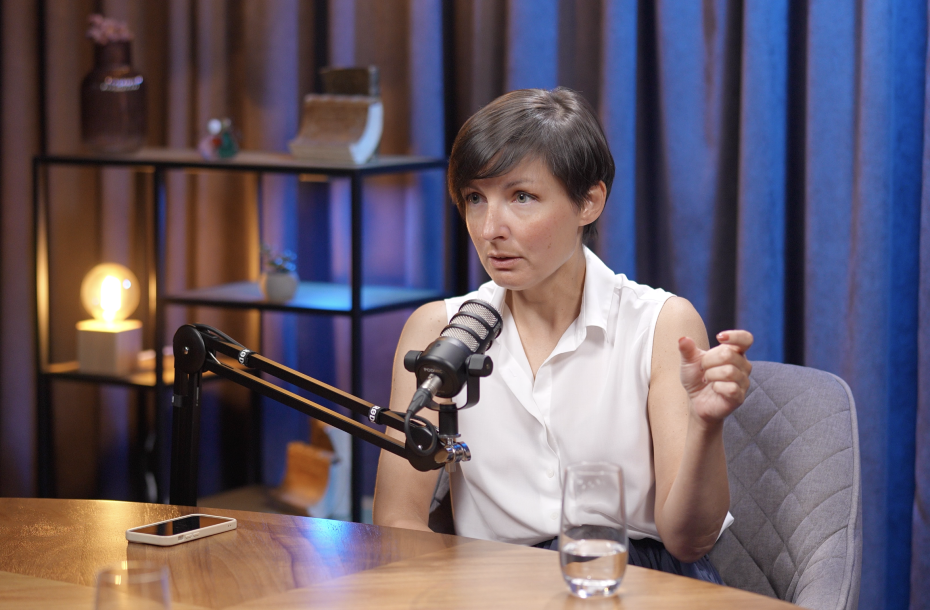
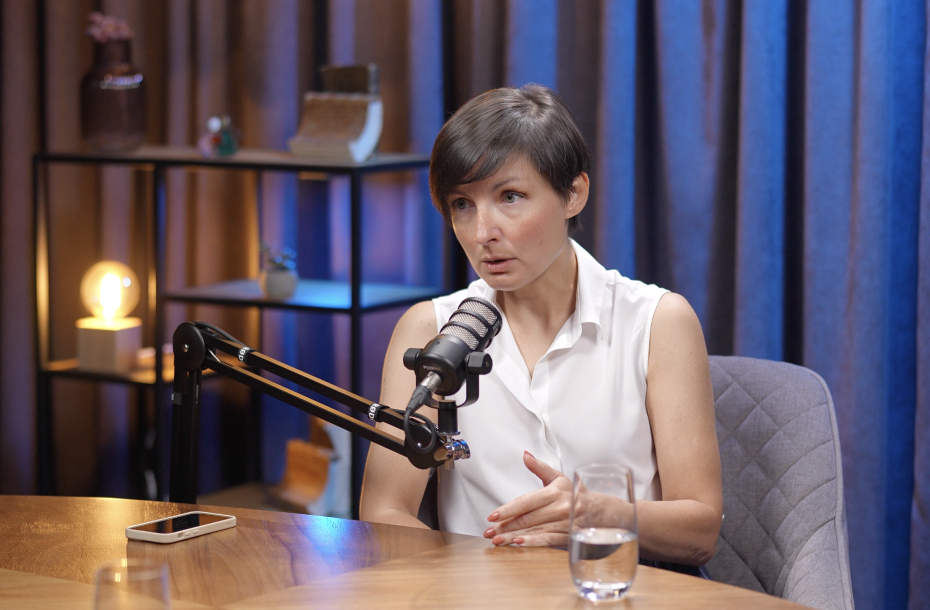
In the latest episode of the UAFP’s podcast, Olga Khoroshylova, Sectoral leader for Defence at the Ukraine Facility Platform, explores whether Europe can prevent a new war – and where Ukraine fits into a common security architecture.
What NATO 3.0 will look like
Europe is trying to close the gaps in its own defences. One goal is to create a "military Schengen" – a logistics system that would let troops move quickly between EU countries. After all, 45 days to authorise a border crossing is far too long.
The European Commission, for its part, is working to create incentives for countries to collaborate on projects and coordinate their procurement.
Europe's overarching aim is to demonstrate that it is ready to stand up to Russia.
This is also, in part, a question about NATO's future. The United States has identified China as its principal threat, and President Donald Trump has consistently stressed that Europe does too little for its own security. Under the American proposal for NATO 3.0, the US would continue to provide Europe's nuclear umbrella, while European countries would take on responsibility for every other area of security.
Russia is using salami tactics
For decades, following KGB-era playbooks, the Russians have been laying the groundwork to expand their influence – building agent networks, working on European voters and backing particular parties and movements.
In Germany, for example, they played on feelings of guilt over the Second World War to promote the narrative that there was no need to build up the military or invest in defence.
Yet despite numerous hybrid attacks, Europe's leaders often find their hands tied, since democratic rights and freedoms must be respected. Meanwhile, Russia is testing how ready Europe is to respond to threats – and mapping its defence capabilities. To do this, it uses salami tactics: destabilising European society from within and from outside, at the political and social level alike, and fuelling opposition among ordinary citizens.
Russia will most likely attack only when it is fully ready to do so.


Coordination and cooperation – the new critical infrastructure
Europe is Ukraine's strategic rear.
As European countries work to combine their defence capabilities, Ukraine's goal must be to embed itself in this common security architecture.
It is in Ukraine's interest to offer a deeper, more comprehensive partnership – one built on close communication and a two-way exchange of information. On that basis, Ukraine could help its partners build a functioning defence ecosystem.
There is clearly an appetite among these countries to come together, but it has yet to take concrete form. At Ukraine Facility Platform, we are proposing that the states that feel the threat most acutely join forces to create a Partnership Architecture For Collective Security (PACS).
So how do you build an effective defence? Together, Khoroshylova argues. Many Ukrainian innovations could be significantly improved by joining forces with partners – because Ukraine excels tactically, while the demands of active warfare have left less room to develop the strategic side.