UA
UA 
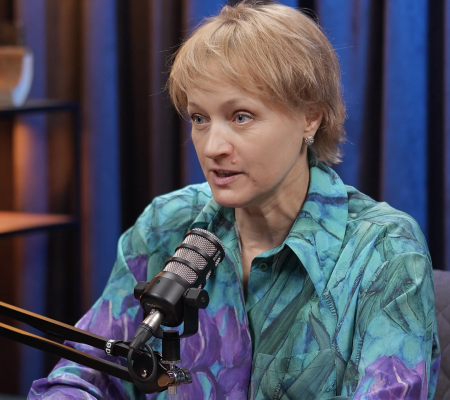
The European Commission's new EU Livestock Strategy – set to shape the sector's future – lays the groundwork for deeper integration of Ukraine's agri-food sector into European supply chains. Oksana Osmachko, strategic expert on Agriculture & Biodiversity at Ukraine Facility Platform, unpacks the details.
One consequence of the previous approach has been a gradual decline in livestock numbers across most EU countries. Over the past decade alone, the EU's cattle population has fallen by nearly 10%, and today imports cover around 74% of its high-protein feed.
This reorientation means that, alongside its climate goals, the EU must also ensure food security, the economic resilience of rural areas and the long-term competitiveness of European agricultural production. The key priority is therefore not to reduce livestock farming, but to modernise it – boosting productivity and environmental efficiency.
If the EU treats developing its own livestock sector as a long-term strategic priority, that points to potential growth in demand for Ukrainian agricultural products.
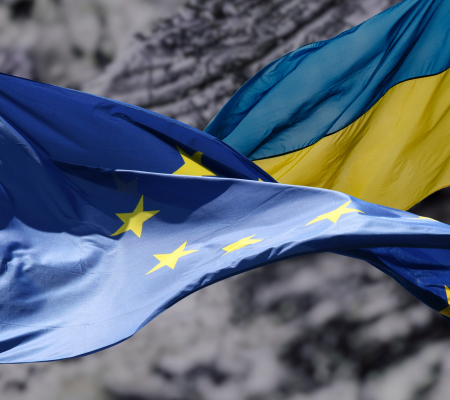
And Ukraine's potential goes beyond supplying feed. The new strategy lays the groundwork for deeper integration of Ukraine's agri-food sector into European value chains – by developing its own livestock farming and investing in processing, genetics, biosecurity, digital technologies and innovative production solutions.
Ukraine Facility Platform analysts have identified several agricultural sectors where the EU's deficit aligns with Ukraine's capabilities. The approach was presented on 25 June in Gdańsk together with partners – Ost-Ausschuss der Deutschen Wirtschaft and German Agribusiness Alliance.