UA
UA 
Ukraine has the infrastructure, legal framework, and capacity to attract capital to deploy effective energy projects with a balanced technology mix in communities right now. In the agri sector, it can meet Europe's needs in critical categories – plant proteins, amino acids, and industrial crops. What is missing are the methodologies, frameworks, and ecosystems to turn these opportunities into projects.
In both sectors, achieving quality results requires cooperation between communities, entrepreneurs, foreign investors, and government. This approach positions Ukraine as a partner capable of addressing specific EU needs while advancing its own strategic objectives.
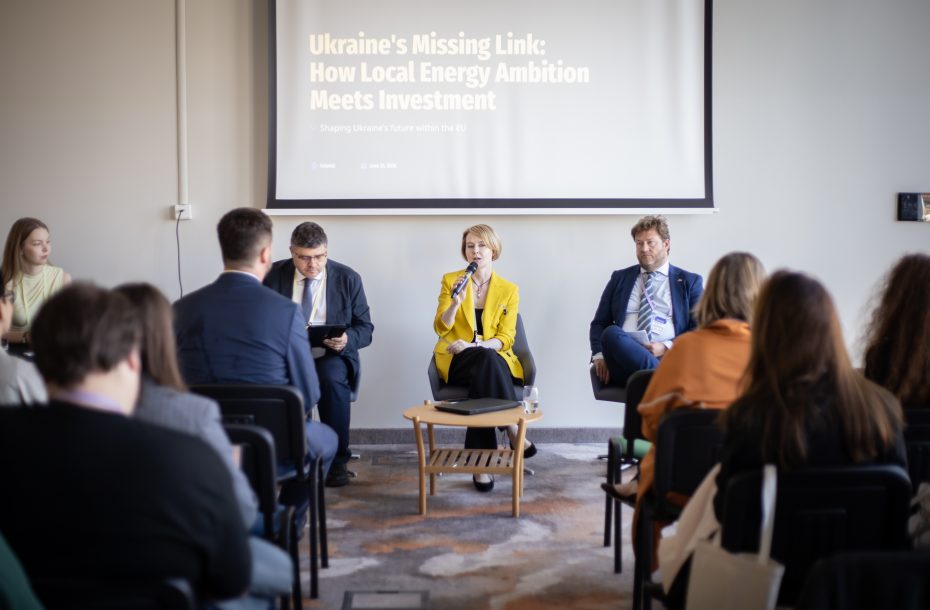
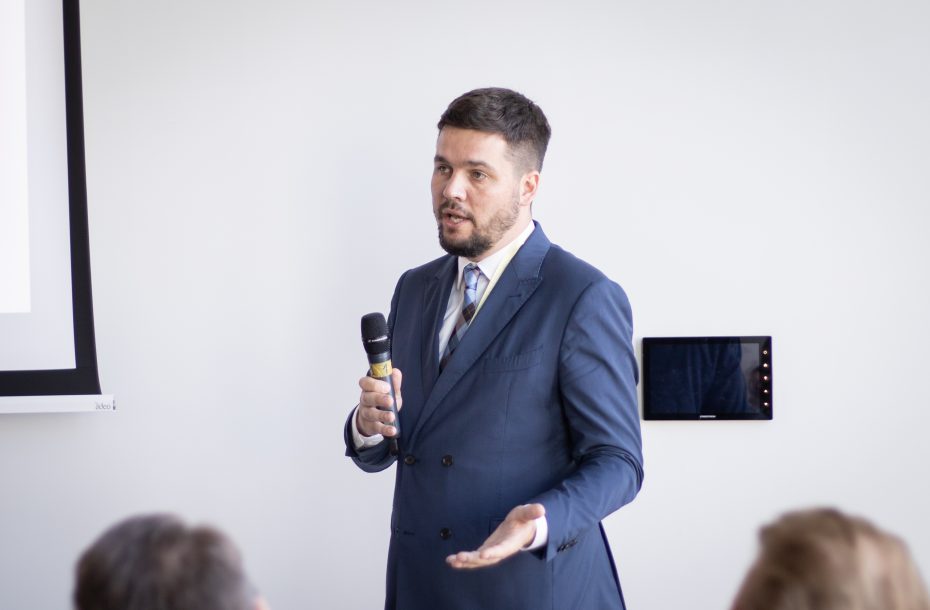
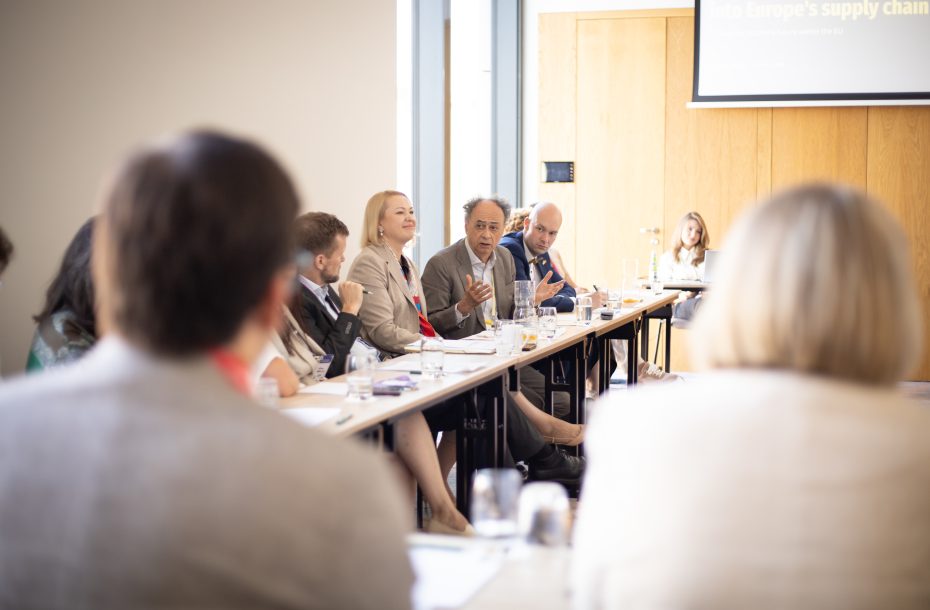
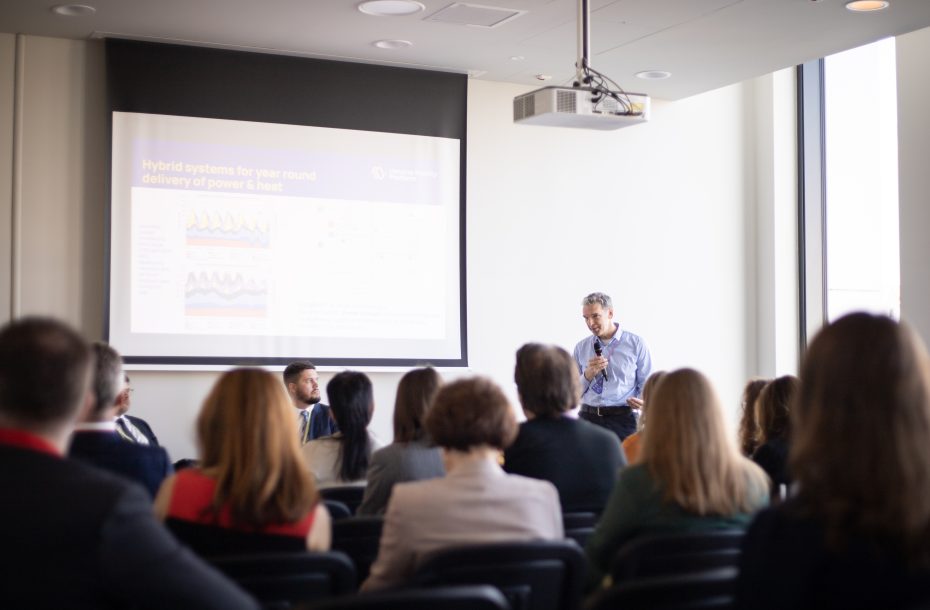
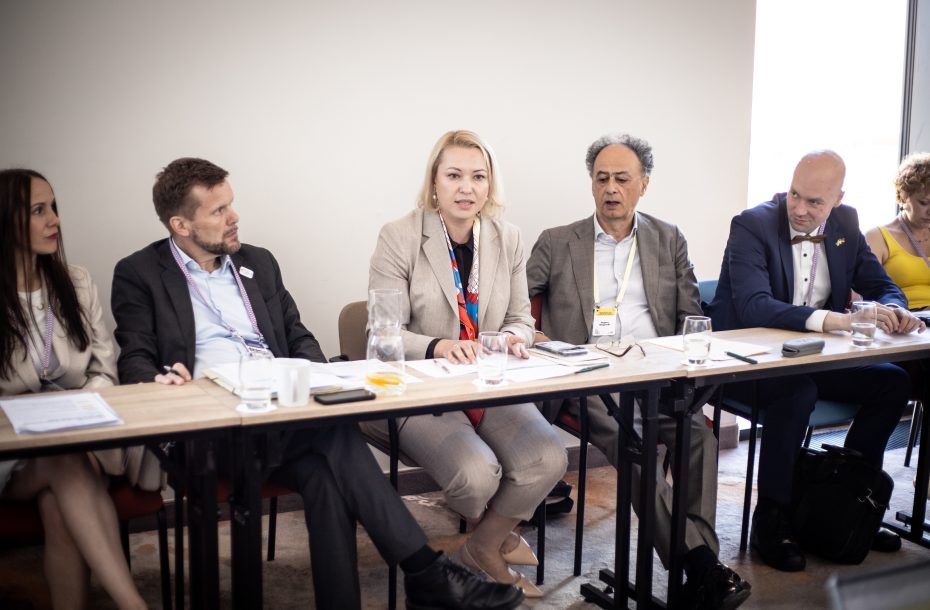
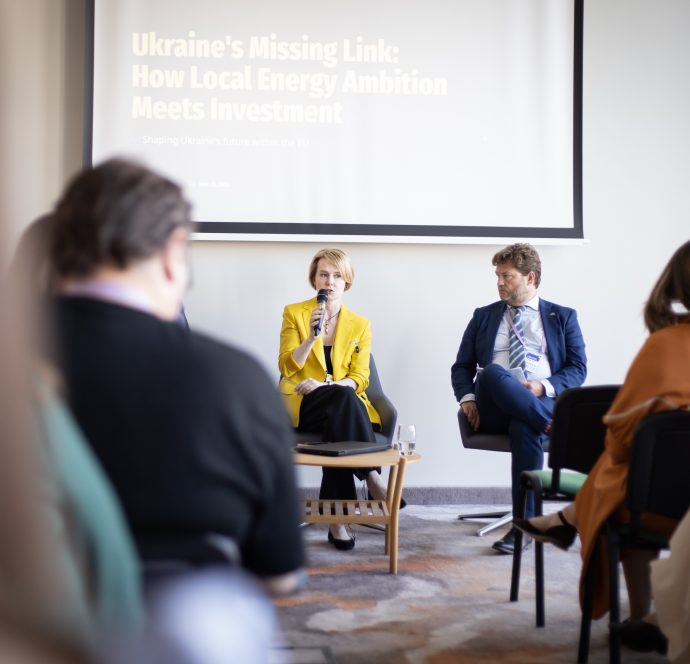
Which niches are most promising, what drives project development and scaling, and what are the most significant barriers – these questions were discussed at the conference "Shaping Ukraine's future within the EU: from local capacities to joint architecture" on 25 June in Gdańsk. Ukraine Facility Platform organized and moderated two parallel discussions together with partners – Ost-Ausschuss der Deutschen Wirtschaft, German Agribusiness Alliance, TNO (Netherlands), NedZero, VNG International, and the Netherlands Enterprise Agency (RVO).

In the energy sector, stakeholder cooperation is essential to design the optimal energy mix for each community's needs and build the required capacity.
The four key steps, barriers to deployment, and approaches to risk mitigation are set out in the Policy Brief "How Local Energy Ambition Meets Investment".
Entrepreneurs confirm the effectiveness of the proposed approaches. For example, professional aggregation of generation assets totalling 7.6 MW halved electricity costs and freed up UAH 126 million per year – without additional investment. For businesses implementing energy projects, three things are the most important: grid connection, transparent land allocation, and a clearly defined demand from the community.
Lawyers highlight political risks associated with business-community cooperation. Political Risk Insurance can help mitigate them.
International financial institutions stress that Ukraine's energy markets need systemic reforms. Community representatives add that regulations must be predictable and consistent.
A predictable regulatory environment would also help advance promising projects in the agri sector.
Europe imports 96% of its soybean meal, over 95% of its lysine, and sources 66% of its high-protein feed externally. A significant share of these supplies comes from China. EU demand for alternative protein is projected to reach EUR 53 billion by 2040, with the total market potential of the segment at EUR 79 billion.
Ukraine already accounts for 32% of EU oilseed meal imports. Ukrainian companies are already investing in soy protein production, lysine sulphate, and industrial hemp processing.
And here, mutually beneficial cooperation carries a broader significance. The shift from raw materials to deep processing changes the very framework of Ukraine's EU accession discussion: instead of negotiations over concessions and transition periods, it becomes a conversation about a production partner that fills a concrete gap in the European economy. Ukraine's offer does not compete with EU producers for the same market – it completes a supply chain that Europe lacks.
European businesses see both their own deficit and Ukraine's capacity to fill it. So why aren't investments flowing into Ukraine? War is a risk with available insurance instruments, not a dealbreaker. The real barriers lie elsewhere:
- Lack of long-term contracts. Raw materials and demand exist, but processing capacity is missing – and no processor will enter without guaranteed offtake. For the value chain to come together, a supply horizon of at least five years is needed. Without it, the project stays on paper.
- Regulatory environment. On the one hand, EU permitting procedures can delay a project's launch by years; on the other, Ukraine's legislative harmonization with EU standards is still ongoing.
- Production and sales must launch simultaneously. A farmer will not switch to a new crop without a guaranteed buyer, and a processor will not build a plant without a stable supply. Without this link, an attempt lasts a year or two, and after a failed harvest everything reverts to conventional crops.
In both the agri and energy sectors, working conditions can be improved. But the foundation for launching investment-ready projects that will strengthen economic cooperation between Ukraine and the EU is already in place.