UA
UA 
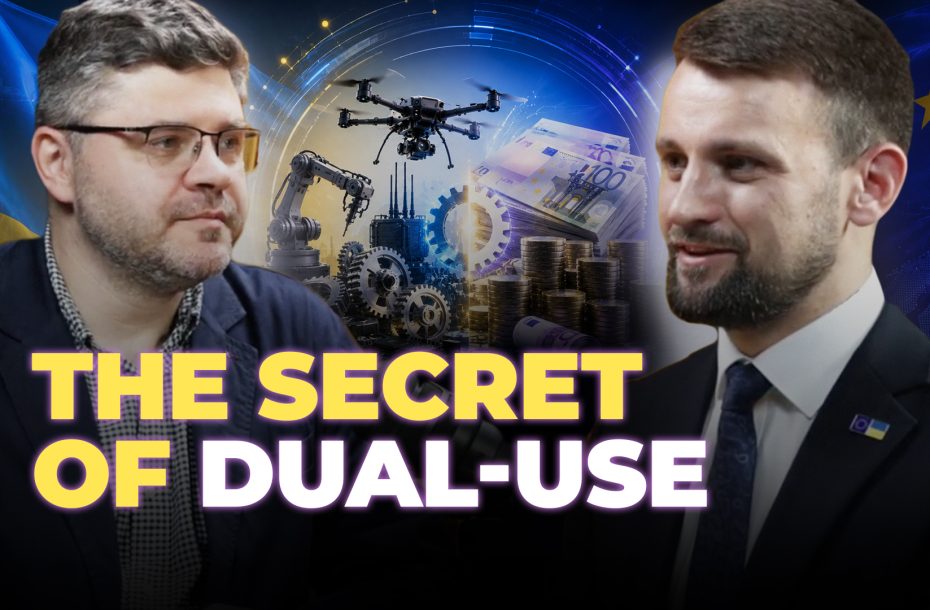
The EU is opening funding instruments for Ukrainian companies working in dual-use technologies for the first time. At the Ukraine Recovery Conference (URC) in Gdańsk, the European Commission announced the launch of two new mechanisms under the Ukraine Facility. €340 million in guarantees and grants are expected to help mobilize up to €700 million in investment for the dual-use sector. Combined with already existing programs, the total support package reaches €500 million and has the potential to unlock up to €1.1 billion in financing.
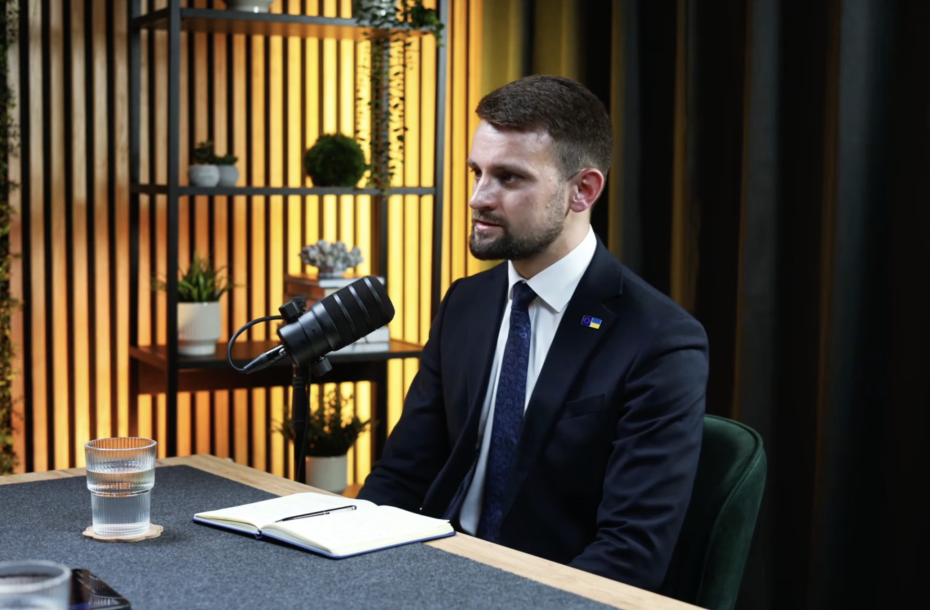
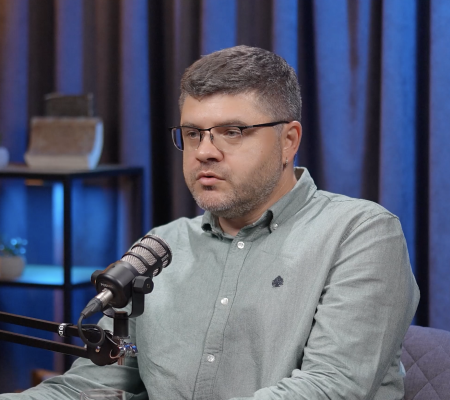
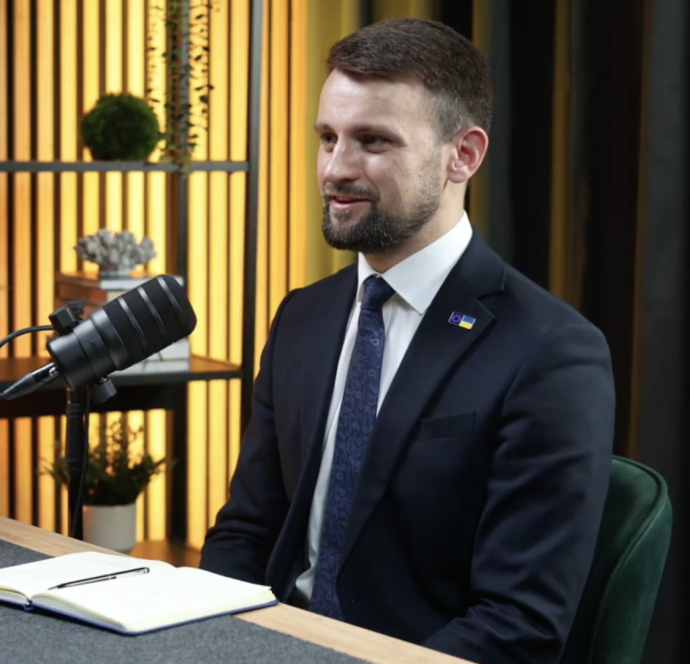
Why this decision could be a turning point for Ukraine's defense industry, how Europe sees the future of Ukrainian defense producers, and why components are becoming just as important as drones themselves – Orest Tokač, Team Leader and Head of Dual-Use Technologies & Strategic Industries at the European Commission’s Ukraine Service, discussed this on the UAFP’s podcast with Ukraine Facility Platform co-founder Roman Vybranovskyy.
Ukraine Facility Moves Beyond Reconstruction
Until recently, the Ukraine Facility instrument was associated primarily with reconstruction. However, the European Commission's latest decisions demonstrate a broader approach: support for the economy is becoming increasingly linked with the development of defense capabilities.
Following the opening of the Ukraine Facility's second component, support has for the first time reached directly into the dual-use technology sector.
The new programs will be implemented by the French state investment bank Bpifrance and the Finnish export credit agency Finnvera. They will combine loans, grants, and equity investments in Ukrainian companies.
Dual-Use – an Entire Technology Ecosystem
Drones have become a symbol of Ukrainian military innovation, but the dual-use sector is much broader. Support will be available to manufacturers of ground robotics, communications systems, navigation, optics, cameras, space technologies, aviation solutions, electronics, and other products that can be used in both the civilian economy and defense.
According to a joint study by the Kyiv School of Economics and the European Commission, Ukraine's dual-use technology market comprises roughly 3,400 companies, worth approximately €5.5 billion.
This means the conversation is no longer just about individual startups or drone manufacturers, but about a full-fledged, rapidly growing sector of the economy.
Europe Is Betting on Components
For the European Commission, component manufacturing is becoming increasingly important. Priorities for future investment include optics, thermal imaging cameras, electronics, navigation, and communications equipment. The goal is to reduce reliance on imported Chinese components.
The EU views this dependency as a strategic risk that also opens new opportunities. Ukraine could become a major producer of components for the European defense industry.
If Ukraine succeeds in developing its own component manufacturing, it could not only reduce import dependency but also integrate into the production chains of the European defense sector.
Looking Beyond the War
Producers of dual-use goods work primarily on government defense orders. The European Commission supports this direction because it will remain sustainable even in peacetime – in logistics, agriculture, transport, industry, or environmental monitoring.
Still, even after the war ends, demand for defense technologies is unlikely to disappear.
This is why Europe is already increasing defense spending and preparing for the long-term development of a joint defense industry.
Integration into the European Defense Market
The new programs are not only about an access to financing. The European Commission views support for the dual-use sector as a tool for integrating Ukraine into the European defense technological and industrial base. This means creating joint ventures, liberalizing exports, developing production cooperation, and gradually bringing Ukrainian companies into the EU's single defense market.
In this way, financing for the dual-use sector becomes not just an economic tool, but also a contributor to the negotiation process for Ukraine's accession to the European Union.
New Opportunities Require New Preparation
Access to financing means companies need to prepare business plans, financial models, and feasibility studies, negotiate with European financial institutions, and demonstrate the investment attractiveness of their projects.
That's why part of the new programs includes technical assistance and advisory support for businesses.
The European Union is investing not only in the production of specific technologies. It is investing in building a new industrial ecosystem in which Ukrainian companies become not temporary wartime partners, but full-fledged participants in the European defense market. This may be the main long-term outcome of the new dual-use support programs.