UA
UA 
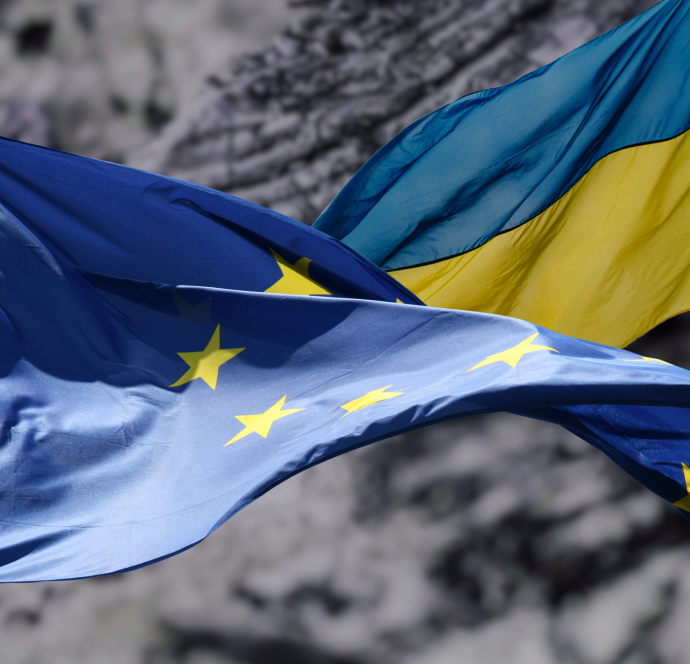
Europe and Ukraine find themselves in an extremely difficult situation while Russia escalates. European nations face a double challenge: a gap in nuclear deterrence and a gap in conventional capabilities. The situation is compounded by the fact that US under Trump has abandoned its leadership role in defending and protecting European security and democracy. At the same time, the political unity of European nations around Ukraine has not translated into hard defence commitments nor in membership of NATO or the EU.
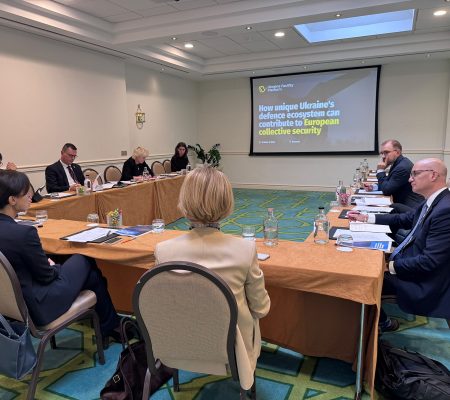
Kees Klompenhouwer – a Dutch diplomat with over forty years of experience in European and international affairs, member of Coordination Council at the Ukraine Facility Platform – sets out what the response should be to strengthen the defence capability of Europe and Ukraine. In preparing the document, he drew on the views of members of the EU-UA Strategic Defence Advisory Group.
By joining forces, Europe should focus its efforts on hotspots. It is these regions that, first and foremost, require a Partnership Architecture for Collective Security (PACS).
Cooperation built on this foundation could evolve into a multilateral legal agreement, open to interested Allies. Yet it would by no means replace but, on the contrary, complement the NATO and EU frameworks.
The convergence in military operational practice, together with the need for other changes, provides a solid rationale for achieving a previously unattainable agreement on common military requirements for the defence capabilities to be developed and produced.

Through this approach, Europe can significantly reduce the costly and ineffective fragmentation of the European defence market and restore its capability to deter and defend in an affordable and speedy way.