UA
UA 

Rebuilding Ukraine’s energy sector requires investment, not just grants. Despite russia’s ongoing attacks on critical infrastructure, it is essential to act now: to build a new energy system that is resilient both to missile strikes and to corruption risks.
The resources are there. Ukraine’s partners have prepared substantial investment opportunities. Yet the actual volume of new construction remains minimal. Ukraine is still largely focused on “emergency aid and repairs,” which, while important, are not enough.
For two years, the team at the Ukraine Facility Platform (UAFP) has been working on a solution. On July 10, they presented an approach designed to unlock access to financing for energy projects.
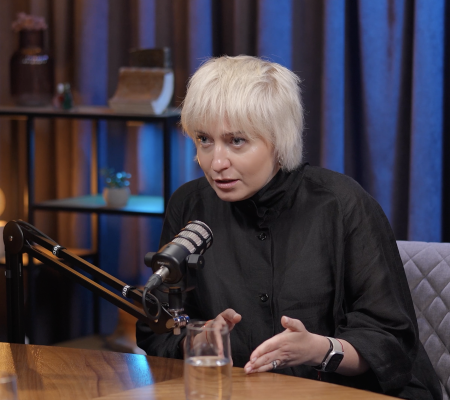
Оpening the UAFP conference “Opportunities for private investments in energy and defence” Lana Zerkal, member of the UAFP Coordination Board said:
At the heart of this strategy is the Collaborative Effort Toolkit – an eight-step plan offering participants practical instruments and mechanisms for mutually beneficial cooperation, while balancing the interests of businesses, communities, the Ukrainian state, international donors, and EU political institutions.
The concept is detailed in the presentation:
It is built on extensive work with Ukrainian and international experts and engineers, as well as an in-depth analysis of 15 Ukrainian communities.
Key success factors for energy investments:
- Focusing on a single technology does not deliver the desired outcomes. It is essential to build a complementary mix of renewable energy solutions.
- Each project must be unique – developed within a specific community, fully considering its technical conditions and local consumption profiles.
- Private businesses must lead these projects, preparing economically sound investment proposals that banks and investors can readily understand.
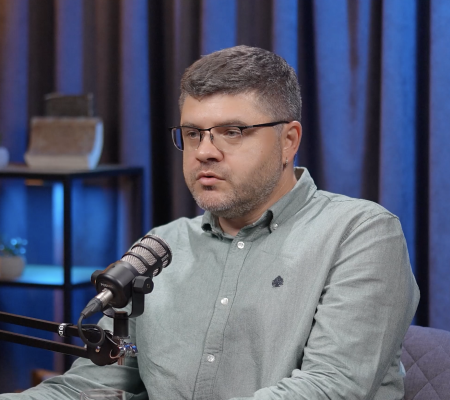
According to Roman Vybranovskyy, UAFP co-founder, implementing the Toolkit over 3–5 years could enable the construction of up to 13 GW of decentralized, grid-connected energy capacity, with at least 3 GW from renewables.
Parts of this approach are already underway. During the UAFP conference, the European Bank for Reconstruction and Development, Dragon Capital, and Negen signed an agreement providing loans and investments for the Power One project. This initiative focuses on developing gas generation, battery energy storage systems (BESS), and renewables.
Using data from a specific community, Oleksandr Vizir, coordinator of UAFP’s Energy & Climate group, demonstrated that the most effective setup is a diverse mix with a strong share of green technologies: gas engines + solar PV + BESS + bio-CHP. Capital expenditures of up to €25 million, with a payback period of 5–6 years, can maximize benefits for such communities.
Further analytical support for prioritizing green technologies was presented by Pavel Bilek, Senior Consultant at Berlin Economics.


How to boost these technological capacities? Through localization of production, donor support, joint innovation policies, and collaboration with the IT sector.
The Collaborative Effort Toolkit is not a “project” in itself. It is an approach that brings all stakeholders to the table.
This summer, the Ukraine Facility Platform team will continue preparing pilot projects. They are collecting technical data on the ground, developing financial models, and working with businesses and donors to secure financing and implement specific initiatives.
We welcome collaboration with interested communities, local development programs, and investors. Get in touch: info@uafp.eu