UA
UA 

Europe’s rearmament program is not just about building a joint shield against russian aggression. It is also a unique chance to boost Europe’s economy, including Ukraine, by:
- Launching joint projects between Ukrainian and European manufacturers, especially experienced EU defence industry players.
- Enabling Ukrainian businesses to leverage EU tools for technical assistance in preparing projects attractive to banks.
Of course, this requires dialogue with European policymakers and joint efforts to adapt rules and regulations. But there is another critical question that often goes unaddressed:
How do we ensure defence products remain in demand five or more years from now, so investors continue financing the sector beyond the active phase of the war?
This question was at the heart of discussions on July 10 in Rome during the security panel of the UAFP conference “Opportunities for private investments in energy and defence.”
Dual-use innovations are both a strategic insurance against declining defence procurement after the war and a practical way to solve current logistics challenges. The EU is starting to recognize and fund this approach, and Ukrainian companies need to adapt quickly.
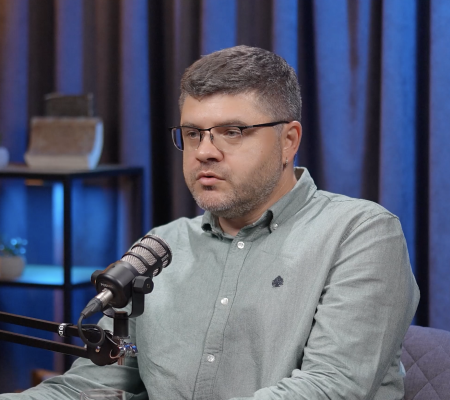
Building resilient supply chains and reducing dependence on components from Russia and China is a strategy some Ukrainian defence firms are already pursuing to scale production, noted Pavel Verkhniatskyi, Managing Partner at COSA and co-founder of the Fincord-Polytech science park. According to him, success hinges on leveraging existing advantages – Ukraine’s resource base and critical materials processing technologies – through cooperation with foreign partners.
The advantage of dual-use production is precisely that it shifts the model from resource scarcity and competition to collaboration between defence and civilian industries.
Agriculture is emerging as a new frontier for defence-related investment. Processing certain crops can support the production of explosives and propellants. Ukrainian farmers are already integrating with the defence industry and getting real-time feedback from the front – so the R&D cycle from idea to solution takes weeks, not years.


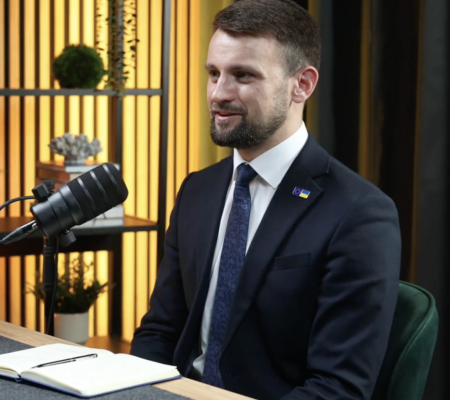
A shift is already underway, said Orest Tokac, European Commission Policy Coordinator for Ukraine Relief & Reconstruction.
Multilateral institutions are revisiting their stance on defence financing. For example, they have funded projects supporting veterans and frontline businesses totalling €600 million. The EU has launched a new initiative with EDFI to help companies prepare bankable projects. These mechanisms will complement existing tools like SAFE and the Ukraine Facility.
Ukraine Facility Platform is working with EU and NATO stakeholders on an approach that will integrate Ukraine’s defence industry into Europe’s security architecture and facilitate joint dual-use production.
We are open to collaboration with Ukrainian companies. If you want to be part of this transformation, reach out: info@uafp.eu.