UA
UA 
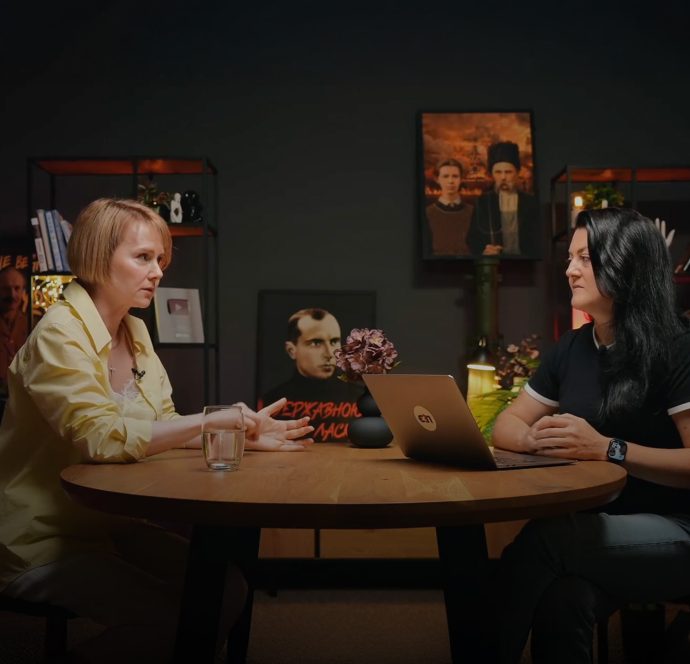
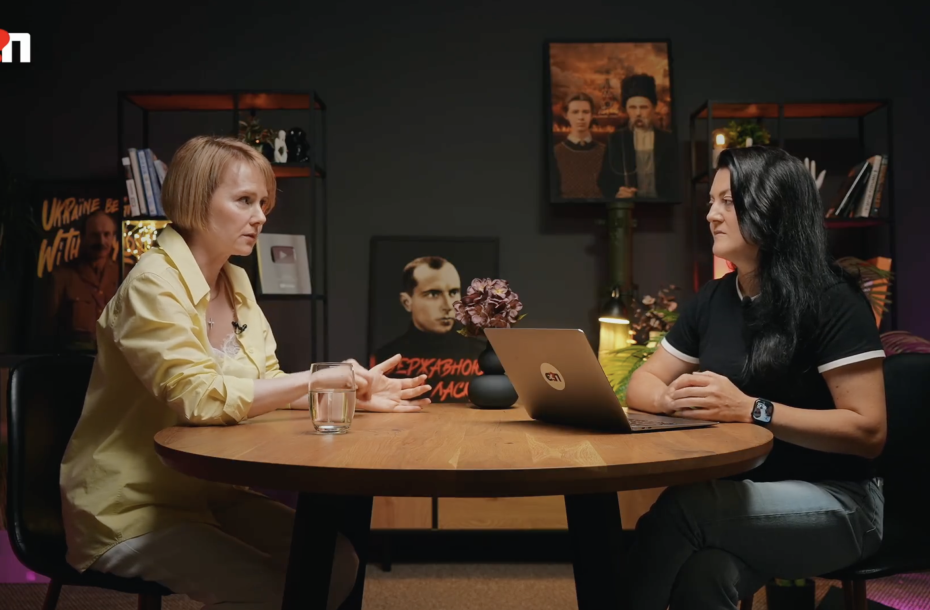
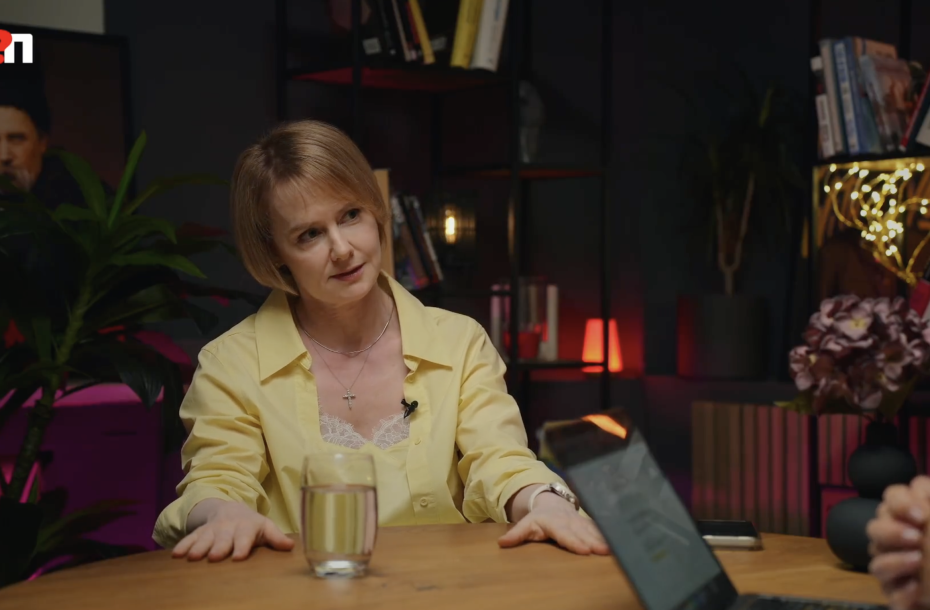
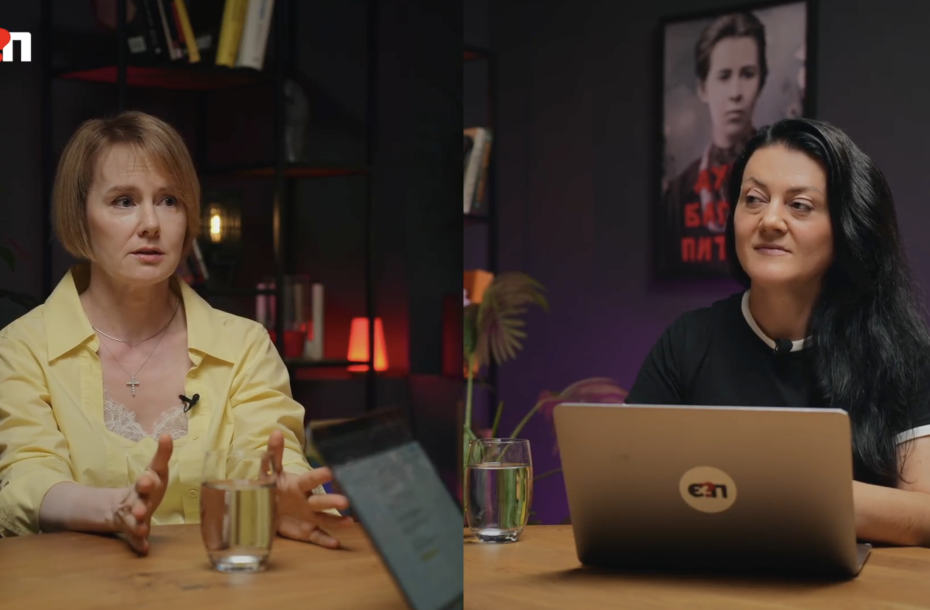
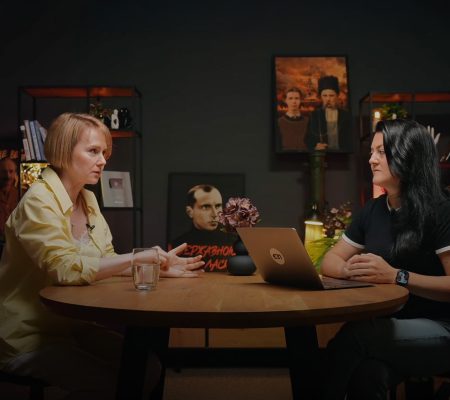
Ukraine is in a difficult situation, one with no easy solutions. But that does not mean we are at a dead end, unable to choose the harder path. Civil society and the Verkhovna Rada could be the driving force behind it. Lana Zerkal, a member of the Coordination Council of the Ukraine Facility Platform, shared this view in an interview on the Ye Pytannia channel.

What democracy in wartime Ukraine should rest on
The Verkhovna Rada could take responsibility for finding answers to the difficult questions, and in doing so help lead Ukraine out of the crisis. But for that, parliament would need to assert itself, rather than wait for a signal from David Arakhamia, the head of the Servant of the People faction.
The ruling party is hardly a monolith. Many MPs are no doubt thinking about the future and have no wish to be associated with corruption scandals. And if they are progressive – why are they not acting? And if they are not, are they part of the very authorities responsible for eroding the institutions that matter to Ukraine?
What it takes to hold elections in wartime
Ukraine needs a discussion about how to hold elections during a full-scale war. And what matters here is not just how, but in what order. There is an expert view that parliamentary elections should come first, to appoint a prime minister, and only then presidential ones.
Civil society and the Verkhovna Rada can open a political discussion on this and look for solutions. Parliament already has a working group dedicated to this. For its part, the Constitutional Court could take up the question of what conditions would need to be in place to make an electoral process possible.
Because right now you cannot simply say, "Let's hold elections." Protests with Fedorov's name on placards are a search for a messiah. But we have to realise that we are all human, and there are no messiahs among us. Changing names within entrenched structures is nothing more than imitation. Ukraine Facility Platform's analysts reached the same conclusion in their paper "From сhanging names to practical solutions".
How to prepare for winter
Russia is already pushing the narrative that the coming winter will be extremely difficult and that Ukraine will not cope. Energy Minister Denys Shmyhal, by contrast, offers reassuring forecasts, saying there will be no electricity shortage at all.
I am all for preparing for the worst-case scenarios. Last season exposed the weak spots, and they are worth bearing in mind this year: meet with your building's homeowners' association and check that the building is ready. Finding out now whether the heating pipes are insulated and whom to call in the event of a breakdown will make winter much easier.
Local authorities, for their part, could plan how they will help elderly people living alone and those with reduced mobility if heating, power or water are cut off for a long period.
A major challenge for the government is meeting the conditions its European partners have set in order to unlock the funding. This means ensuring the rule of law and reforming the State Bureau of Investigation. We have a stake in these changes ourselves – but the money matters too.
Exposing corruption schemes is a sign that Ukraine has immunity
Yet another corruption scandal in Ukraine is simply a gift to Putin. Now Russia can broadcast to European audiences: "Who are you giving money to? These people have no idea how to run a state!" Any Western politician will then have to explain it to their own voters.
But the very fact that it has come to light is a sign that Ukraine has immunity. Under Yanukovych, for instance, the rules could be broken with impunity and no restrictions. Now NABU and SAPO are making their findings public. There is room to keep building that immunity by seeing these court cases through to a verdict.