UA
UA 

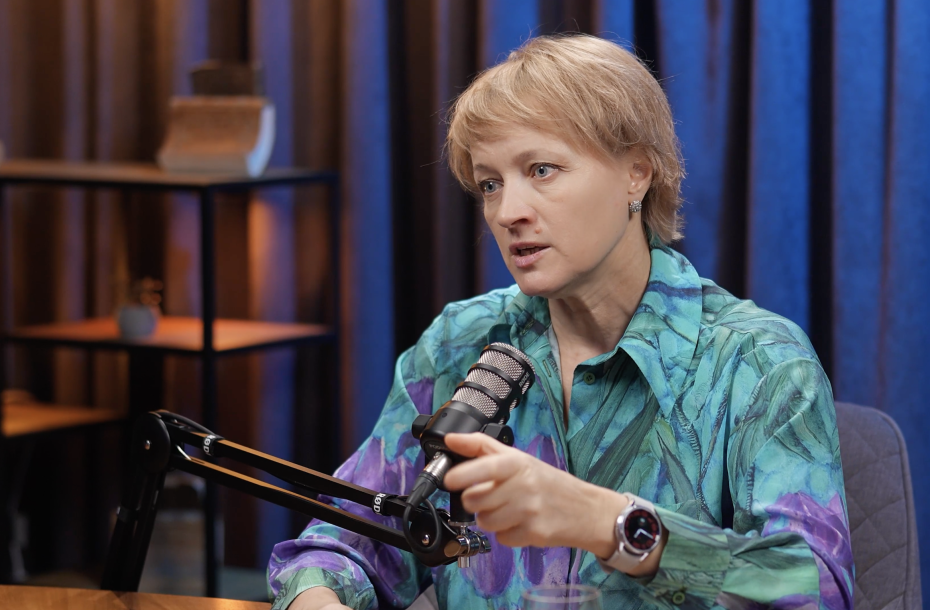
Russian attacks have caused logistical disruptions, so shops are carrying a narrower range of goods than usual. But Ukraine is not facing famine or a lasting shortage: the supermarket chains are already adapting. How much prices will rise, how retailers are rethinking their approach and why the fall in seaborne exports matters so much — Olga Trofimtseva, a sectoral leader for agriculture & biodiversity at the Ukraine Facility Platform, explained on the UAFP’s podcast.

There's no shortage — but the supply chain is broken
Russia is indeed trying to disrupt food distribution, striking the large warehouses used by supermarket chains, the postal operator Nova Poshta and others. But that does not cause a food shortage — the problem is simply getting products to shoppers.
The most vulnerable goods are those that need refrigeration: frozen fish, ready meals, frozen vegetables. Ukraine imports around 70–80% of its fish, so this category is especially exposed when logistics falter. Dairy is in better shape, thanks to a large number of domestic producers — though getting yoghurt, butter and other chilled goods to shoppers without breaking the cold chain, and without large distribution centres, remains a challenge.
The most likely result of the Russian strikes is more small neighbourhood shops stocking the most popular goods. In the regions, craft producers will take on a bigger role: they can keep local communities fed if supply from outside the region is badly disrupted.
Prices will rise, but not sharply
The cost of these losses will fall on everyone in Ukraine's food chain. Since late July, Russia has destroyed hundreds of thousands of square metres of warehouse space — roughly 70–75 football pitches. Retailers will pass the cost of the lost stock on through the price of new goods.
Delivering without large warehouses also pushes up the cost per item, so shoppers should expect prices to edge up.
Long-life products such as grains and tinned goods may cost around 5% more. Chilled and frozen goods — especially imported ones — could rise further, by up to 10%.
The export crisis
Seaborne exports of agricultural produce fell by around two thirds in August. And while it would be wrong to call it a blockade of the Greater Odesa ports, fewer and fewer commercial vessels are calling at Ukraine's Black Sea ports. Ukraine produces far more grain, oilseeds and poultry than the domestic market can absorb. 80% of these goods were usually exported by sea, so the squeeze on that capacity is putting pressure on agricultural producers.
The key question is what happens to the agricultural sector if stable access to seaborne exports is never restored. Overland routes, even with every neighbouring country's help, can carry at most 60% of what once moved by sea.
International partners could help unlock these exports once it becomes clear that this is not Ukraine's problem alone — that global markets face a real shortfall.
Ukrainian farmers, for their part, could move further into processing. It is not a cure-all, but there are niches where Ukraine could meet demand in the EU — the point being not just to build up processing, but to make products that already have a buyer. That matches how farmers are already thinking: about how to get through the short term, and about which EU niches they could enter with only minor changes to technology or certification.