UA
UA 
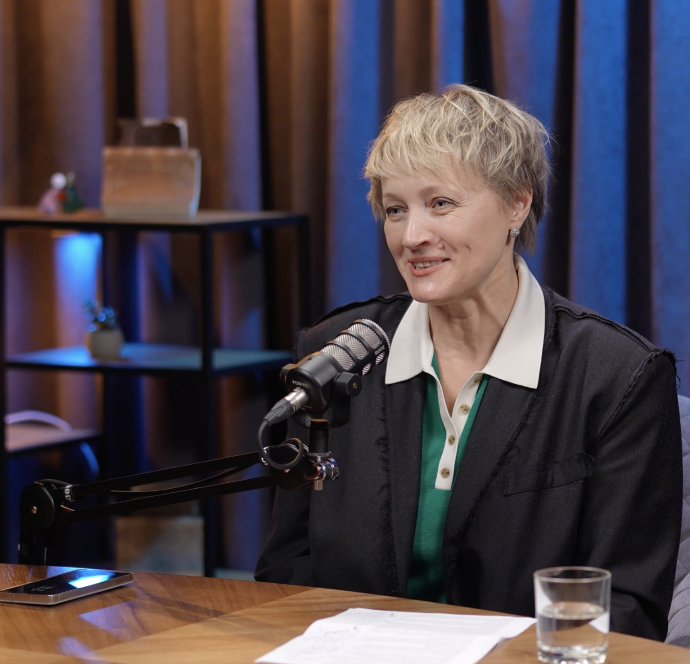
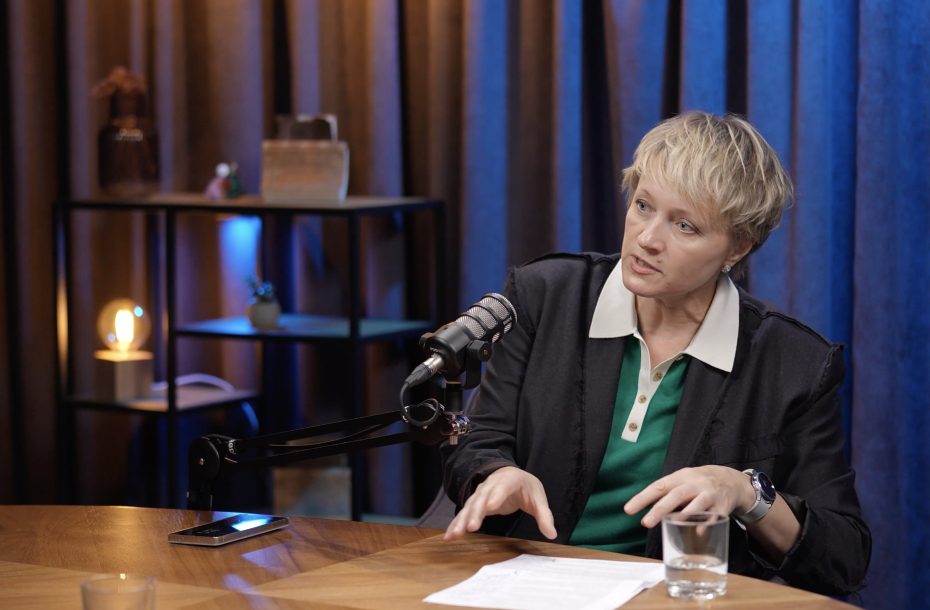
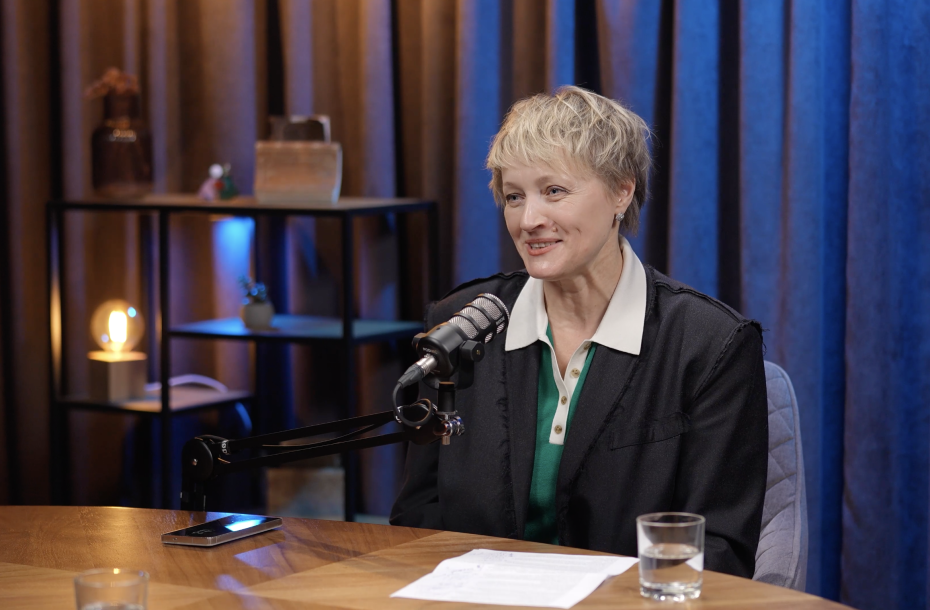
How EU integration will affect food prices in Ukraine and the agrifood sector as a whole, whether business inspections under European standards will be «draconian», and what Ukrainian farmers want from EU accession – Olga Trofimtseva, Sectoral leader for Agriculture & Biodiversity at the Ukraine Facility Platform, discussed on UAFP Live.
Price vs Quality
Ukrainian agricultural producers will need to transition to EU production standards as part of the integration process. This will be gradual and may affect prices. But food products will not become more expensive overnight. Moreover, prices in Ukraine have already been rising – primarily driven by the cost of energy, raw materials, and labour. Food inflation over the past 10 years has been significantly higher in Ukraine than in EU countries.
In Ukraine, a large portion of the low-cost segment is shaped by unregulated street trade. A case in point is «Coca-Cola Milk» – raw milk poured straight into empty Coca-Cola bottles, complete with the original branding. The buyer assumes they are getting «real homemade milk», but laboratory testing can reveal unpleasant surprises. Samples of homemade curd cheese from a Kyiv market bore little resemblance to actual cheese according to lab results. This is why farmer markets need to become more civilised, with proper inspections and quality assurance.
How Europe ensures food quality
The European Farm to Fork (F2F) policy is designed to ensure that consumers can trace the production journey. For example, in the case of eggs – from a free-range hen all the way to the supermarket shelf.
The EU relies on farmers to ensure product quality, as it is a matter of business reputation. Inspections are conducted as well – but they are no more «draconian» than in Ukraine. Ukrainian exporters already undergo similar checks. And while it is quite a challenge, they manage.
Farmers in Ukraine sometimes report inspections aimed at finding violations that do not actually exist. European rules could change this, as in the EU, producer integrity is treated as a presumption of innocence.


Why Ukrainian farmers fear EU integration
Ukrainian farmers fear EU accession because of the risk of losing out to competition. But they already face plenty of challenges – full-scale war, energy shortages, mobilisation, and labour gaps. Integration-related challenges will become «one of many», rather than the only or the biggest.
Most likely, Ukraine's agrifood sector will undergo restructuring through the accession process: some companies will grow larger, others smaller; some will shift from crop farming to sheep breeding, change their core crop, or move into processing.
The right to buy Ukrainian land is a sensitive issue that also generates fears. But farmers from France, Germany, and the Netherlands have been working in Ukraine for years, treating the land with care, with no negative consequences. And it is about equal access to resources: Ukrainians will equally be able to purchase land in Germany, provided they meet all the requirements.
What Ukrainian farmers want from EU integration
EU policies aim to strike a balance between farmer incomes and the affordability of products for consumers. In the EU, this is seen as part of food security. These policies are stable and predictable.

Ukrainian agricultural producers are ready to forgo EU per-hectare subsidies for a transitional period. After all, the European market represents 500 million consumers with a fairly high level of income, which is attractive to Ukrainian producers. However, what matters greatly to them is the pace of adaptation to EU production standards, sustainability and environmental requirements.
Rural development is a focus of European policy that is also important for Ukrainians. The goal is for people to stay in rural areas, start families, and for rural communities to have many children receiving quality education.
The state can support community development by creating a legislative framework. But it is people on the ground who put this into practice. EU accession will create new opportunities through funding. For example, in Poland, many quality roads and other infrastructure were built thanks to EU programme financing.
Agricultural Ukraine in the EU: threat or advantage
At the core of EU agricultural policies is strengthening resilience. Against the backdrop of energy crises, climate change, and other challenges, Ukraine can strengthen the European Union and its food security.
Food security and strategic autonomy of the EU is not only about supplying raw materials. Ukraine's accession to the EU could give a boost to the development of processing. Some companies are interested in investing in processing capacity in Ukraine to meet EU needs. Investment in amino acid production would generate a cumulative effect – from attracting qualified specialists to advancing research and development.
At the same time, the key question for a Ukrainian entrepreneur is who will buy the product and where the demand lies. Buyers can be found both within the EU and beyond its borders.