UA
UA 

People are the foundation of business. And business is the foundation of Ukraine's economic recovery and European integration.
As Ukraine advances towards the EU, strengthening the agricultural workforce is becoming just as important as access to finance or regulatory alignment. Without skilled professionals, investment alone cannot unlock the country's agrifood potential.
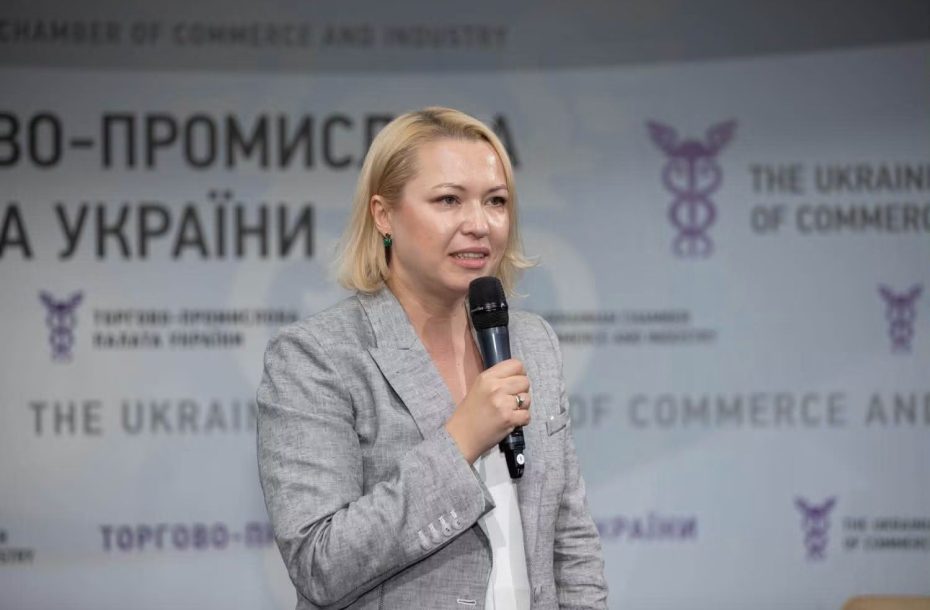
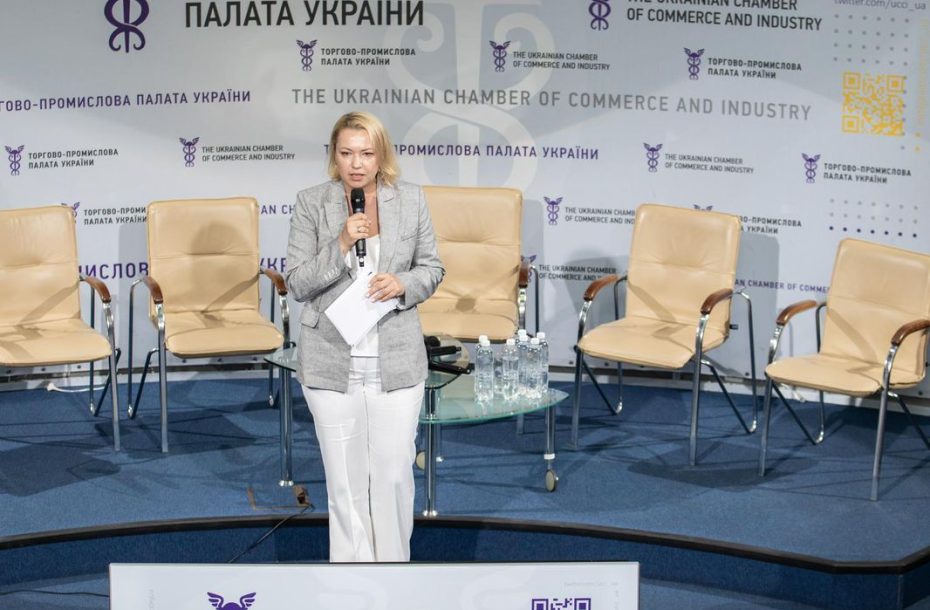
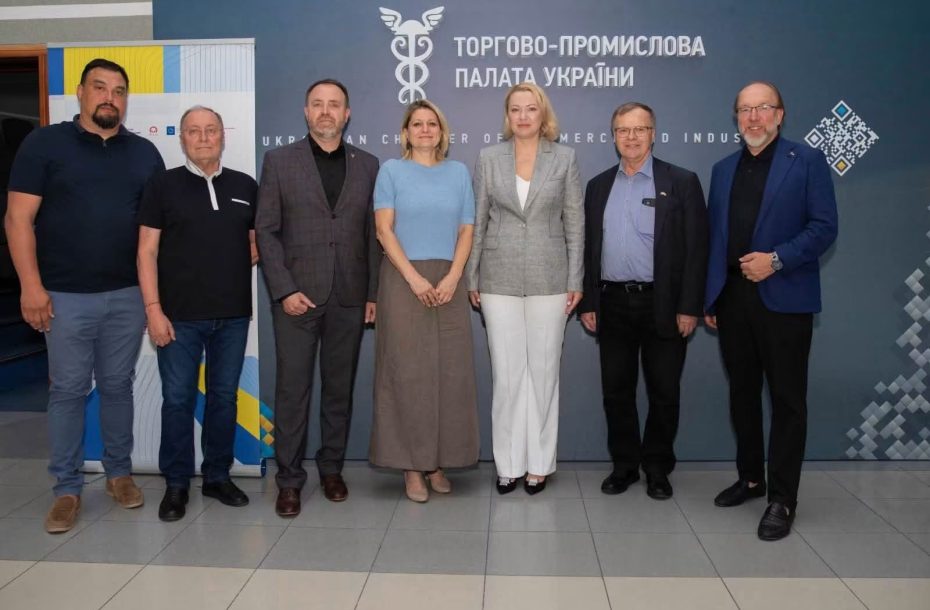
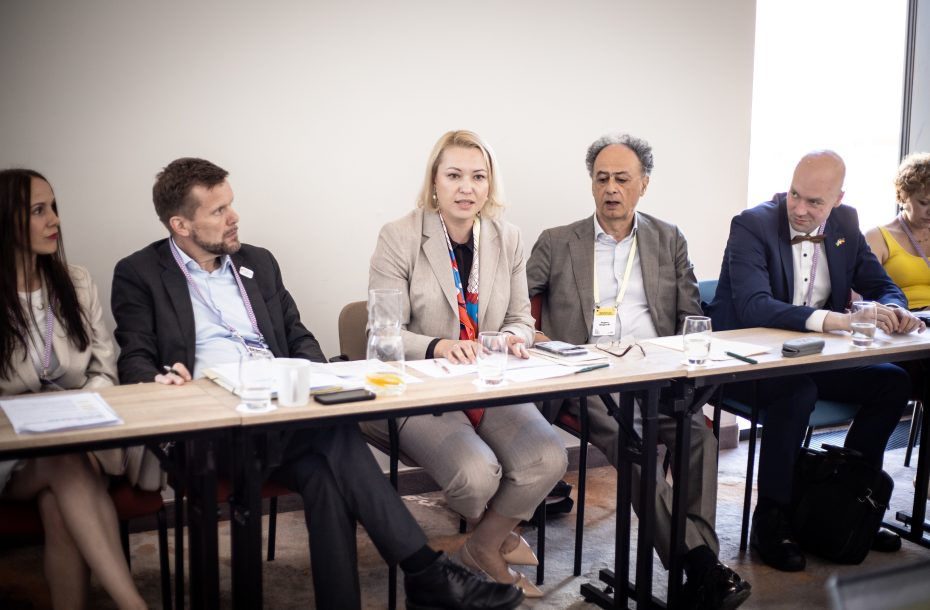
On 7 July, Oksana Osmachko, Strategic expert on Agriculture & Biodiversity at the Ukraine Facility Platform, presented the Roadmap for Human Capital Development in Ukraine's Agrifood Sector (2026–2030).
Oksana Osmachko is among the authors of the Roadmap, developed within the multi-donor Skills4Recovery initiative, co-funded by the EU, Germany, Poland, Estonia and Denmark, and implemented by GIZ and the Solidarity Fund PL in cooperation with Ukraine's Ministry of Economy.
The Roadmap builds on UAFP research presented in Gdańsk, which shows that value-added food processing offers Ukraine an opportunity to help address structural gaps in the European market while integrating into EU value chains. Realising this potential requires a workforce equipped with modern skills, advanced technologies, and EU quality standards.

The challenge is significant. Ukraine's agrifood sector accounted for 56.1% of the country's merchandise exports in 2025 and employs roughly one in seven workers. Yet more than 60% of agribusinesses reported labour shortages last year. Only 29% invested in upskilling their employees, while just 8% have systematic workforce development programmes. Around 5% of the sector's workforce is under the age of 25.
Key recommendations:
- The labour shortage is structural. Beyond the impacts of war and demographics, agrifood careers must become more attractive to young people through early career guidance and by promoting agriculture as a modern, technology-driven industry.
- Workforce development requires a shared framework between government, business and education. The Roadmap defines clear roles: the Ministry of Economy forecasts labour demand, the Ministry of Education modernises vocational training, businesses shape skills needs and participate in training, while regions launch local pilot initiatives.
- Integration into EU value chains starts with skills. The greatest shortages are in food processing, precision agriculture, food safety, veterinary services, logistics and climate-smart production. Aligning qualifications with the European Qualifications Framework (EQF), expanding dual education and developing a national Agricultural Knowledge and Innovation System (AKIS) are key to preparing Ukraine's workforce for the European market.
For UAFP, the Roadmap reinforces a core message: human capital is as important for investment readiness as access to finance. People are the driving force behind value creation, competitiveness and Ukraine's successful integration into the European economy.