UA
UA 

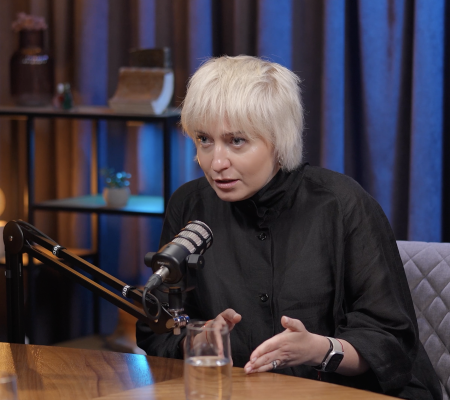
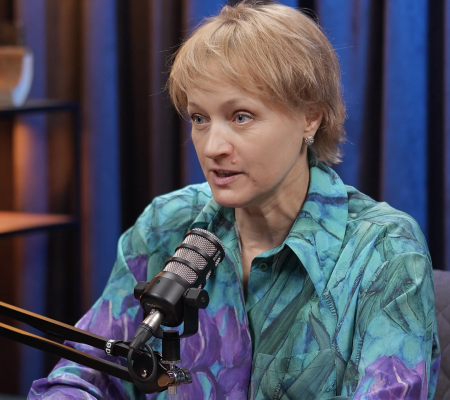
Each year the EU imports 75% of its high-protein crops, and more than 60% of its plant-protein needs still go unmet. Ukraine, meanwhile, grows soybeans, rapeseed and peas – but mostly exports them as raw materials, handing the added value to processors abroad. Developing processing together would benefit both Ukraine and Europe, says Oksana Osmachko, a Strategic expert on Agriculture & Biodiversity at the Ukraine Facility Platform in a new episode of the UAFP’s podcast.

The scale of the export crisis
In Ukraine, four out of five fields grow crops for export – only 20% of the harvest stays at home. One in five Ukrainians works in agriculture, and agri-food accounts for 56% of the country's total exports. So when Russia strikes the ports of Greater Odesa – through which 84% of agri-exports pass – it hits both the state's foreign-currency earnings and the livelihoods of many families. And this is not only a domestic issue.
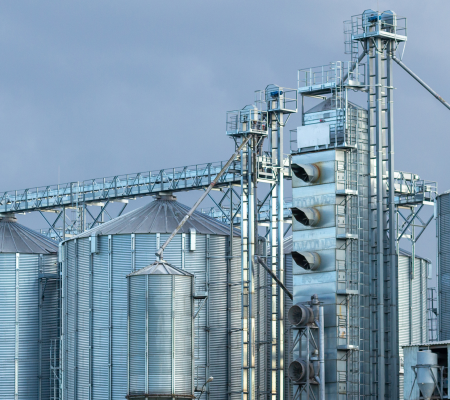
Ukrainian farmers already faced a challenge like this in 2022, when Russia launched its full-scale war and blockaded the country's Black Sea ports. Back then, international partners supplied farmers with grain storage bags, allowing them to store the harvest out in the fields. This reshaped the grain-elevator business and storage logistics considerably: the method proved cheaper, and made the supply chain more predictable.
Now, once again, everyone is looking for grain bags and storage to be ready for the new harvest.
Meanwhile, this year's drought in Europe has cut cereal yields, with losses that could reach around €2 billion. Ukraine or Brazil could close the gap – but Ukraine is logistically closer and could move faster. In the short term, then, EU countries could benefit from contracting output from Ukrainian producers. For its part, Ukraine has already submitted an official request for a quota-free regime for a set period. This could spare European buyers the price rises that hurt consumers, while helping Ukrainian farmers sell their grain.
Ukraine can plug into European plant-protein supply chains
Ukraine should shift from firefighting to medium-term solutions. To change things systemically, it is worth setting up plants – together with European partners – to process raw materials, Osmachko notes. The result could benefit both sides.
Wheat is not a particularly promising niche: Ukraine grows mostly soft varieties, which are unsuitable for making pasta. The real potential lies elsewhere.
The gap is large – more than 60% of Europe's plant-protein needs go unmet. These are high-protein crops, the backbone of animal feed, processed from soybeans, rapeseed and peas. Turning them into soybean meal, oil, oilcake, lysine or amino acids would give Ukraine added value while meeting Europe's demand for goods it mostly imports.
The feedstock is already there – last year's soybean harvest came to around 6 million tonnes. The deeper the processing, the smaller the volumes that need shipping, which simplifies logistics. A tonne of soybeans, for example, can yield 350–390 kg of crude protein, and crude protein can be processed further into isolates and a range of other products.
The key challenge for Ukrainian farmers is to stop thinking in a one-year cycle – sow, harvest, sell – and to plan three to five, or even ten, years ahead, starting from what the buyer wants and how big the market is. They also need to be ready to certify their fields and production – and the European market offers strong premiums to those who meet its requirements.
Now is the best moment to plan the next few years and bring European partners on board. The best way to seize these opportunities is to build horizontal links at every level.