UA
UA 
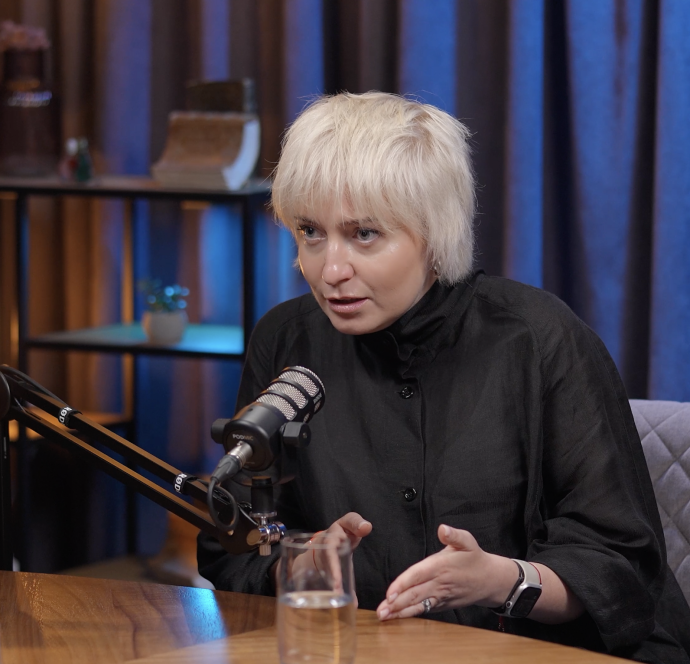
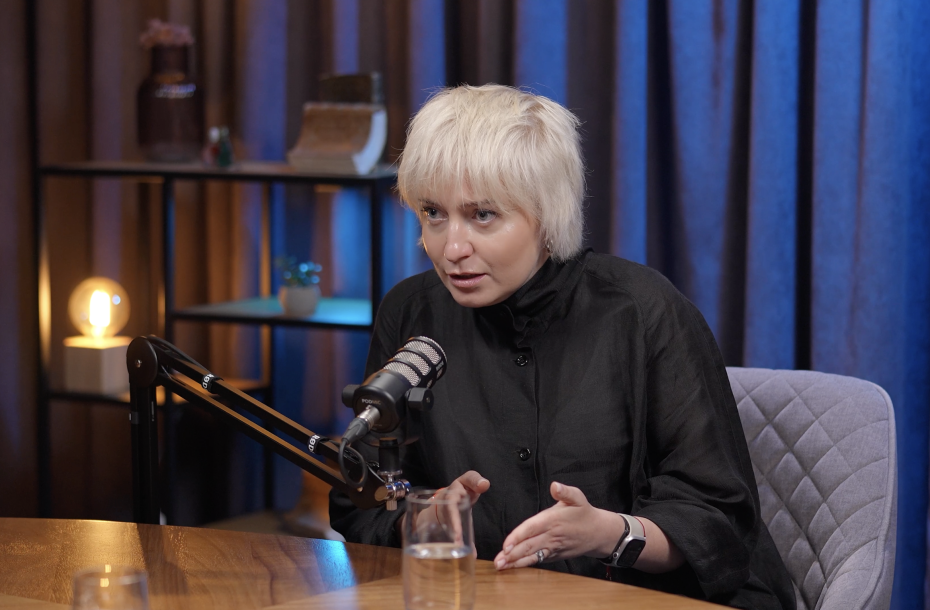
No international instrument can fully punish Russia as a state or its most senior leaders. Why international law works the way it does and how Ukraine and its partners still manage to pursue justice, explains Oksana Zolotaryova, a member of executive board, partnership&advocacy lead at the Ukraine Facility Platform.
How Ukraine is litigating against Russia and preparing a special tribunal for the crime of aggression — in the latest episode.

Can Putin be punished for the war against Ukraine?
International law can be part of justice. But its mechanisms are slow and politicised.
International law is a story of compromise between large and small states. So to bring a case to the International Court of Justice (ICJ), you need the consent of both parties or an explicit provision in a convention — and even then, that convention still calls for negotiation and consultation before a case can reach an international court.
Even so, more than 100 states parties to the Rome Statute are seeking to hold Putin personally to account. The arrest warrant against him was issued by the International Criminal Court (ICC) in The Hague in spring 2023, in a decision taken by a panel of judges from several states. Until then no one had believed it possible, because the ICC rarely acts against a country's most senior figures. In the end, though, the evidence the ICC prosecutor had assembled — with help from Ukrainian investigators — proved impossible to dispute.
That would not happen in the United States, however, because the US takes a selective approach to international law: it is a party to neither the Rome Statute nor the Convention on the Law of the Sea. This is deeply unfair — and far from the only example. The contrast between the International Court of Justice and the European Court of Human Rights (ECHR) is striking: only the ECHR is willing to look beyond the letter of the law to its spirit.
These differences are also driven by the reach of Russian influence. Ever since Soviet times, Russia has built up influence both in the secretariats of international organisations and in judicial bodies. It has its own people everywhere — people who either block decisions or drag proceedings out. Then there are Russia's satellite states, with judges of their own.
Holding the aggressor state to account
To hold Russia to account as a state, Ukraine turns to the International Court of Justice and to arbitration where a treaty allows for it. Ukrainian lawyers went through every international treaty that both Ukraine and Russia have signed to find those with a clause referring disputes to the ICJ: there are five, and Ukraine has already used four.
A separate strand is Russia's liability to Ukrainian business for the occupation of Crimea and Donbas. Naftogaz, PrivatBank and Oschadbank are winning their arbitrations against Russia and are now in line to recover the compensation they are owed.
Crimes committed by individuals on Ukrainian soil are investigated at home — by the prosecutor's office, the SBU and the police. No international body is going to take on thousands of war-crimes cases.
The International Criminal Court, for its part, handles only a narrow set of offences: crimes against humanity and genocide.
A tribunal for Russia's armed aggression against Ukraine
The surest way to set up a body with the power to prosecute is a decision of the UN Security Council. But that is out of reach: Russia vetoed even the proposed tribunal on the downing of MH17. So the search began for a legal route that could stay within the bounds of the law and still deliver a functioning legal mechanism.
The idea for such a tribunal came from European Court of Human Rights judge Mykola Gnatovskyy, and the political push behind it from Dmytro Kuleba, then Ukraine's foreign minister. A coalition took shape: the first to respond were those who know the Russians best — the Baltic states and Czechia — with the G7 joining later, until the coalition eventually grew to 41 states.
The tribunal is being set up within the Council of Europe, with its seat in The Hague, and is expected to try around 15–20 of Russia's most senior leaders. And although it does not yet exist, the International Centre for the Prosecution of the Crime of Aggression is already at work in The Hague, with investigators from Ukraine and partner countries gathering evidence ahead of time.