UA
UA 

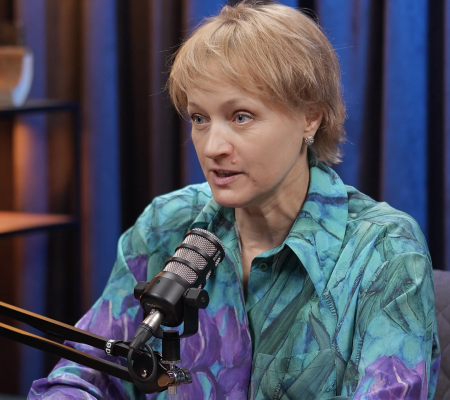
A cold winter under Russian strikes has brought Ukrainians down from the level of expectations to the level of preparedness. Expecting someone to come and solve the problems means remaining in a victim position. An alternative is to take responsibility for one’s own well-being and join forces with neighbours to find ways out of a crisis. This was stated by Lana Zerkal, a member of the Coordination Committee of the Ukraine Facility Platform, in an interview with Yuliia Borisko on theon the «Zhovti kedy» channel.
Communities remain the weakest link. Yet they can become the backbone of energy resilience and develop small-scale energy projects in cooperation with business. The central government resorts to micromanagement, while only addressing systemic problems can create the foundations for rebuilding new decentralised generation.
Personal responsibility
The war has definitively dismantled the illusion of guaranteed security that people had delegated to the state for years. In crisis conditions, survival and basic comfort depend not on promises, but on the level of preparedness. In a critical situation, a person does not rise to the level of their expectations; they fall to the level of their readiness – technical, psychological, and organisational. Expecting a quick end to the war or «top-down solutions» places society in a victim position and deprives it of agency. By contrast, examples of self-organisation at the level of buildings, homeowners’ associations and neighbourhood communities demonstrate that – even with limited resources – it is possible to secure heat, water, and electricity when people take responsibility themselves.

Preparedness of сommunities
The local level is critical for energy resilience, yet it is also the weakest. Despite the availability of donor-provided equipment, cogeneration units, and project solutions, in many communities these resources are not operational due to a lack of political will, budgetary decisions, and clear priorities. Local authorities often prioritise short-term, highly visible urban improvement projects over investments in critical infrastructure that does not deliver immediate electoral dividends. At the same time, where communities planned connections in advance, allocated funding for energy solutions, maintenance, and fuel, and were open to cooperation with business, the outcomes are fundamentally different. The level of preparedness of communities is a test of the quality of local governance and genuine accountability to residents.
The state’s strategic blind spot
At the central level, the problem is systemic. The state continues to operate within the logic of restoring the old, centralised energy model that has been damaged by the war, instead of rethinking it and creating a new – decentralised and resilient – system. Manual control of the electricity market has led to the accumulation of debts that block investors and the development of new generation capacity. Political decisions on the monetisation of subsidies, dismantling manual regulation, and an honest acknowledgement of the debt crisis are repeatedly postponed due to fear of unpopular measures. State-owned companies in such a system act slowly and cautiously, avoiding decisions for which they would later be held accountable. The simulation of activity through task forces, site visits, and personnel rotations does not change the substance of the problem.
The Ukraine Facility Platform approach
The Ukraine Facility Platform is working to change the model of «waiting for performative solutions». The focus is on preparing specific technical models and projects based on the real needs of communities. The Platform works to align the interests of local authorities, business, investors, and donors, helping communities understand which energy sources are feasible in their specific context – from bioenergy to cogeneration solutions. The core principle is that the community should act as the client, while business should be the implementer operating under clear, market-based conditions. This approach makes it possible to move from a «give us» logic to building a system in which investment becomes feasible and resilience reproducible.