UA
UA 

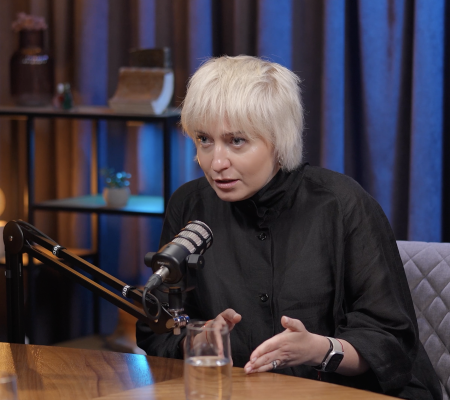
Ukraine produces more weapons than it uses, yet the surplus goes unexported. Tetiana Nikolayenko – member of the Public Council at the Ukrainian Ministry of Defence and strategic expert for defence at Ukraine Facility Platform – joined UAFP Live to explain what bureaucratic and geopolitical traps are blocking the process, and what role intellectual property plays in all of this.
What it would take for Ukraine to move from being a «testing ground» to becoming an equal partner on defence matters?
Why Ukraine needs arms exports
Defence industry associations argue that Ukraine needs broader arms exports. The war with Russia is evolving rapidly: weapons that were critical not long ago are now obsolete and no longer in use. Companies that built their entire business around a single product are hit hardest – that product has effectively become «dead stock».
Last year, Ukraine's defence sector reached $35 billion in production capacity, yet received only $12 billion in orders, presidential adviser on strategic affairs Oleksandr Kamyshin told Forbes Ukraine.
Exports would also allow drone manufacturers to reach production volumes for foreign customers and generate revenue – an increasingly attractive prospect following the outbreak of war between the US, Israel, and Iran.
Ukraine's defence industry currently falls into three broad categories:
- companies that have already produced weapons sitting in storage – and want to export them,
- companies looking to scale up production capacity specifically for export,
- enterprises that have secured government contracts and are satisfied with that – with no interest in exports.
The export paradox in wartime
Arms exports during wartime are a contentious issue: Ukraine, as a producer, is itself in constant need of defence products. That said, even on the night before Russia's full-scale invasion, Ukrainian Ruslan cargo aircraft were taking off to deliver tanks to Malaysia. Once the large-scale war began, every available stockpile was called into service – Ukraine withheld even equipment that had already been paid for by foreign customers.
Formally, exports remain possible. A manufacturer must apply to the export control commission for a licence – but successful cases are rare.
One of the few positive examples
Octopus, a Ukrainian company producing interceptor drones, required an export licence to manufacture in the United Kingdom. Securing it allowed the company to scale production abroad. In Nikolaienko's view, Octopus is likely the only example of a genuinely sound export strategy.
Some have proposed first establishing a joint venture and signing contracts, then obtaining an export licence – but in practice, that sequence doesn't work. The Ukrainian Ministry of Defence will not sign a contract with a foreign arms supplier that does not already hold an export licence.
Defence industry associations consider the licensing requirement an artificial barrier to producing defence products for other countries – a gatekeeping function held by a small group of officials within the export control service.


Why Ukraine isn't launching large-scale exports
The Ministry of Defence's position is straightforward: if a company already produces more than domestic demand requires, or has the capacity to do so, the ministry will greenlight exports. But the next question – to which countries defence products or dual-use goods (electronics, engines) can be exported – is far more complex. When it comes to the Middle East, Africa, and South America, the Ministry of Foreign Affairs and the Security Service of Ukraine raise concerns that weapons could end up in the hands of terrorist groups or be re-exported to Russia. Given this, Ukraine as a state finds it easier to be careful than to risk an international scandal.
On exports to Europe, a different problem persists: who will hold the intellectual property rights, and who will ultimately sell the product? European leaders long assumed the Russia-Ukraine war would be the last conflict in the region – which meant no one thought seriously about how to structure and scale joint production on mutually beneficial terms.
What Ukraine can sell to partners
Ukraine possesses unique expertise – not only in conducting warfare, but in data analysis. This encompasses knowledge of how drone systems, electronic warfare, communications, and databases function. Taken together, it forms what Defence Minister Mykhailo Fedorov calls the «mathematics of war». Promoting Ukraine's advisory and consulting services in this domain is essential to moving the country beyond its current status as a «testing ground».
Ukraine needs more sophisticated models of cooperation with foreign partners. US disengagement from international security affairs, combined with broader global instability, creates an opening for Ukraine to position itself as an equal partner to countries ready to build deeper relationships than simple joint ventures.
A window of opportunity is now open to rebuild defence alliances. The right starting point is intergovernmental agreements that establish a shared understanding of values, threats, and mutual interest in cooperation. The next step is assessing the capabilities and needs of each side. Cooperation between military personnel and defence companies should then be built on that foundation. Civil society organisations have a concrete role to play here: serving as platforms for discussing concepts and bringing together government officials, business representatives, and military personnel from different countries. That is how systemic, global change begins.